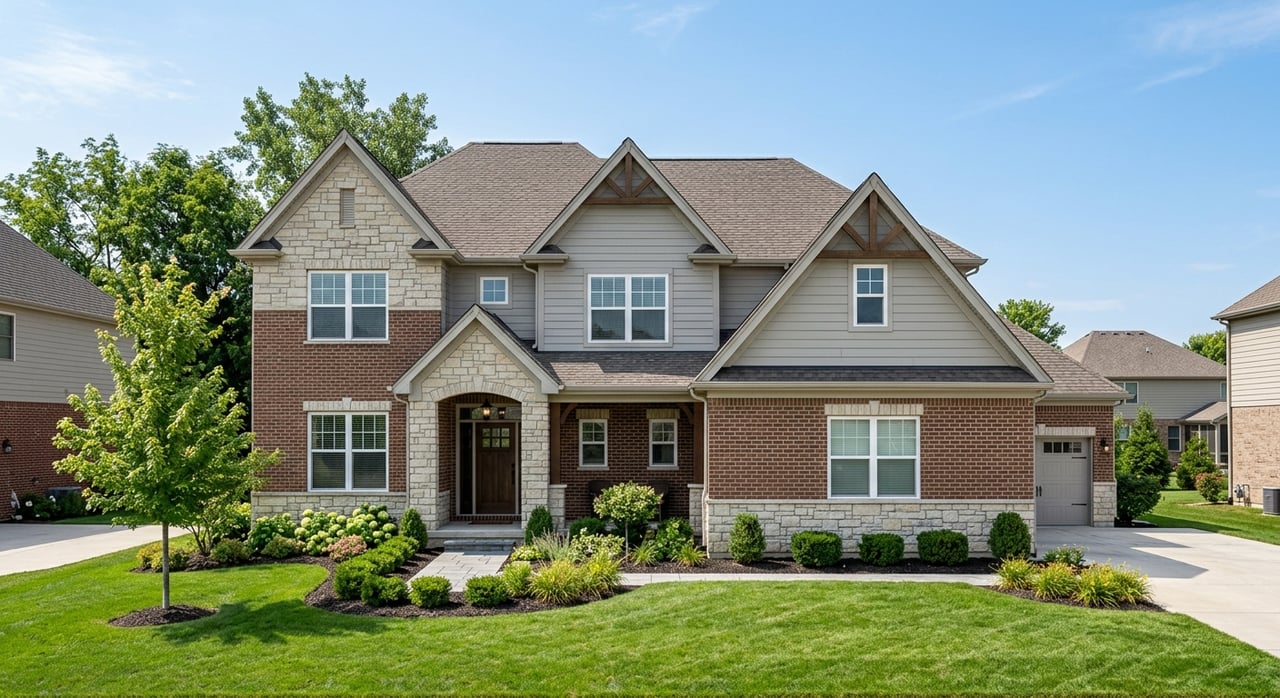
Shadow Creek Ranch HOA Fees, MUD Taxes, and Costs
Wondering why a Shadow Creek Ranch home can come with more than one community-related charge? You are not alone. Many buyers see HOA dues on a listing, then later learn there may also be MUD taxes and separate City of Pearland utility bills. This guide breaks down what each cost means, what it may cover, and what you should verify before you write an offer. Let’s dive in.
In Shadow Creek Ranch, recurring ownership costs typically fall into three separate buckets. First, there is the HOA or village assessment. Second, there may be MUD property taxes, depending on the address. Third, City of Pearland utility charges are billed separately for water, sewer, and garbage.
That distinction matters because many buyers assume the HOA fee covers everything community-related. In Shadow Creek Ranch, it does not. Your true monthly and annual carrying cost may include all three layers.
Shadow Creek Ranch describes its HOA as a maintenance association. The assessment helps fund common-area operation and maintenance plus services for all owners. Based on the community’s published information, that includes support for shared amenities and maintained common spaces.
The amenity network is a big part of the value many buyers notice here. Official HOA materials for 2026 state that the community has four pools. The HOA site also highlights features like clubhouse access, a nature trail, and 18 lakes within the community.
Because of that, the annual assessment is more than a minimal subdivision fee. It supports a larger, amenity-rich master-planned setting. For buyers comparing neighborhoods, that context helps explain why the HOA number may look different from a smaller nearby subdivision.
The published 2026 village assessment is $1,163 for Biscayne Bay and Diamond Bay. That works out to about $96.92 per month if you like to view it as a monthly budget item.
Some sections have an added estate assessment. In Emerald Bay’s The Estates, owners pay an additional $685, for a total of $1,848. In Reflection Bay’s Oak Arbor Estates, owners pay an additional $935, for a total of $2,098.
That means two homes in Shadow Creek Ranch can have different HOA totals depending on the village or section. Before you compare homes, make sure you are comparing the right assessment level for that exact address.
Official HOA FAQ materials state that annual assessments are due January 1 and become delinquent January 31. If unpaid, the published late fee is $100, and the finance charge is 18% per annum.
There is also a 2026 payment-plan agreement that repeats the $1,163 base assessment and shows an installment schedule for approved plans. Since billing details can change from year to year, it is smart to verify the current calendar and account status during your due diligence.
If amenities matter to you, ask how access works before closing. The 2026 pools Q&A says each home receives two amenity access cards, and each card admits up to four people.
There are also replacement and guest-related costs to know. Lost or stolen cards cost $100 each to replace, and damaged cards cost $35 each. Seasonal guest passes are available for a fee, and Diamond Bay’s FAQ states that guest cards cost $100 for 12 entries.
Certain amenities can also have rental fees. For example, the Emerald Bay clubhouse can be rented for $300 plus a $150 deposit. These are not everyday costs for every owner, but they are useful to know if you plan to use the amenities often.
A MUD is a Municipal Utility District. In Shadow Creek Ranch, it is not the same thing as the HOA. The MUD is a tax district that helps finance infrastructure and certain community-related services.
Shadow Creek Ranch is split between Brazoria-Fort Bend Counties MUD No. 1 and Brazoria County MUD No. 26. Which district your home falls into matters because the tax rate can differ by district.
According to district information, BFBCMUD1 was created to build water, sewer, and drainage infrastructure. Its information kit also says the district can help fund supplemental security patrols and park facilities. BCMUD26 states that its storm drainage network feeds the Shadow Creek Ranch drainage system and that it provides supplemental security through off-duty Pearland police officers.
The latest adopted tax rates posted on the district directory pages are $0.420 per $100 of assessed value for BFBCMUD1 and $0.076 per $100 for BCMUD26.
A simple example helps. At those posted rates, every $100,000 of taxable value would equal about $420 per year in MUD tax in BFBCMUD1 or about $76 per year in BCMUD26.
That is a major difference, which is why buyers should confirm the district for a specific property early in the process. BCMUD26’s posted 2025 tax breakdown also shows no debt service tax, while BFBCMUD1’s posted page shows both maintenance and debt service components.
Another cost buyers sometimes miss is the City of Pearland utility bill. The city handles water, sewer, and garbage billing for its utility customers, and these charges are separate from HOA dues and MUD taxes.
The City of Pearland’s FY26 page lists a $22.86 per month residential garbage base charge, not including tax. That is only one part of the utility picture, but it clearly shows that city billing is its own category.
So when you budget for a Shadow Creek Ranch home, do not stop at principal, interest, taxes, and insurance plus HOA. You should also ask what the current city utility bill typically looks like for that address.
Recurring costs matter, but one-time ownership and transfer costs matter too. Shadow Creek Ranch’s HOA contact page lists a $375 standard resale disclosure package fee, a $340 transfer fee, and a $26.50 welcome disclosure fee.
These charges can show up during the title and closing process, which is why they should be discussed before final numbers are due. If you are planning your cash-to-close closely, these line items are worth verifying up front.
There is one more practical note for current owners paying MUD taxes online. The MUD tax-payment links note a 2.5% convenience fee for property owners who pay by card online.
If you are buying in Shadow Creek Ranch, these are some of the most helpful questions to ask early:
These answers can change your real monthly budget and your upfront costs. They can also help you avoid surprises after you are already under contract.
For buyers, understanding these fees helps you set a realistic budget and compare homes more accurately. A home with a lower list price may not always have the lower long-term carrying cost if the village assessment or MUD tax rate is higher.
For sellers, fee clarity can make your listing easier for buyers to understand. When buyers know the current assessment, MUD district, and transfer-related costs early, they can make cleaner decisions and move through due diligence with fewer surprises.
This is one reason local, address-level guidance matters in Shadow Creek Ranch. The details can vary from one section to another, and those details can shape both affordability and buyer confidence.
If you want help sorting through Shadow Creek Ranch fees before you buy, sell, or invest, Hershel Chenevert can help you verify the numbers, understand the tradeoffs, and move forward with a clear plan.


The experience I have gained as a buyer, a seller, an agent, and a landlord are all of benefit to my clients. It is with that experience that I build my business and relationships.