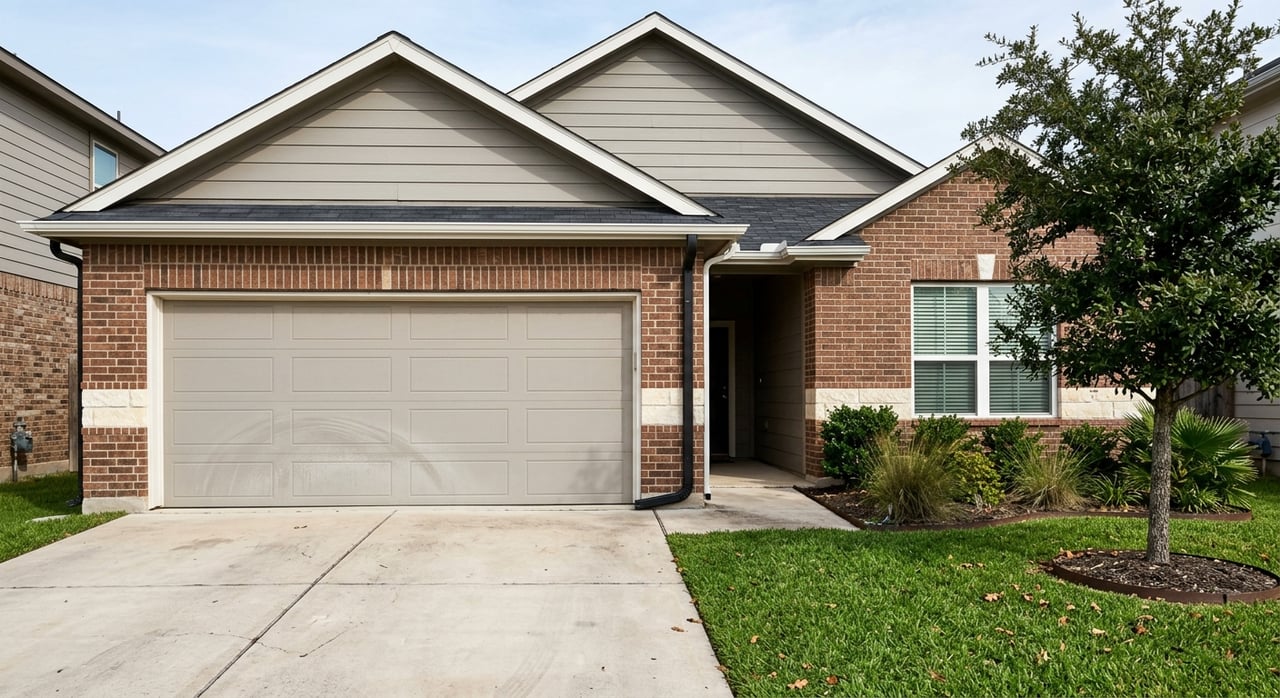
Your Manvel Rental Exit Strategy Options
If you own a rental home in Manvel, waiting too long to plan your exit can cost you money. Maybe you are tired of managing repairs, wondering if today’s market supports a sale, or trying to decide whether refinancing could buy you more time. A smart exit strategy helps you compare your options with clear eyes, protect your net proceeds, and avoid surprises with leases, permits, taxes, and timing. Let’s dive in.
Manvel is still growing, and that local growth can shape both rental demand and resale appeal. The city is actively updating long-range plans tied to growth, infrastructure, mobility, drainage, and capital projects, which means future public improvements and development patterns may affect how your property performs.
That matters because an exit decision is rarely just about today’s price. It is also about where your property sits in the path of change, how much work it needs, and whether your current rent still makes sense in a shifting market.
Before you look at list prices or refinance terms, get honest about what you want the property to do for you. Some landlords want a clean exit and cash now. Others want to reduce monthly costs, keep the property, or improve it before making a bigger move later.
A simple way to frame the choice is to ask three questions:
If you answer those questions first, the path often gets clearer. In a market like Manvel, where pricing snapshots vary by source, your property’s condition, lease status, and location can matter more than any single citywide average.
Recent market data in Manvel is mixed, which is a good reminder not to rely on one headline number. Redfin reports a median sale price of about $459,000 and an average of 147 days on market, while Zillow reports an average home value of $445,313 and about 46 days to pending. Realtor.com reports a median list price of $470,000, about 44 days on market, and a 98% sale-to-list ratio.
On the rental side, Realtor.com reports a median rent of $2,800 in Manvel, with 49 rentals available and month-over-month declines in both rental count and median rent. For you, that means the real question is not just, "What is Manvel doing?" It is, "What would this property likely sell or rent for right now based on its condition, lease, and competition?"
Selling is often the clearest exit if you want liquidity, want out of active management, or believe the upside from holding is limited. It can also make sense if the home needs more capital than you want to put back into it.
In Manvel, the key is to estimate net proceeds, not just sale price. Your numbers should account for property taxes, repairs, closing costs, and any concessions or cleanup needed to get the deal done.
Yes, you can sell a rental with tenants in place. Under guidance summarized by the Texas State Law Library, when a landlord sells or transfers a property, the new owner generally must honor the existing lease unless the lease says it ends on transfer.
That means your lease terms matter right away. If your tenant is on a fixed-term lease, the buyer may need to take the home subject to that lease. If the lease has rolled into month-to-month, TexasLawHelp notes that either side usually needs 30 days' notice.
A vacant property can be easier to show, clean, repair, and market. Buyers can also picture their own use of the home more easily when there is no tenant schedule, furniture, or turnover uncertainty.
An occupied property, though, may appeal to investors who want immediate income. If the tenant is paying market rent, taking care of the property, and has a solid payment history, that lease can become a selling point instead of a drawback.
Texas Property Code Chapter 92 adds one more item to your sale checklist. When ownership changes, the new owner becomes liable for the tenant’s security deposit from the date title is acquired and must provide the tenant with a signed statement acknowledging the transfer and deposit amount.
This is easy to overlook, but it matters. If you are selling an occupied rental, make sure the closing process clearly addresses the deposit transfer and tenant notice so the handoff is clean.
Refinancing can be the middle path if you want to keep the property but improve the debt. In simple terms, a refinance replaces your current loan with a new one.
Owners usually refinance to lower the monthly payment, reduce the interest rate, shorten the loan term, or pull cash out for other needs or renovations. That can be useful if you still believe in the property long term but want better monthly numbers.
The tradeoff is that refinancing still requires lender approval and usually comes with closing costs. So before you refinance, compare the new payment and costs against what you could net from selling or what you might gain from repositioning the property.
Repositioning means making targeted improvements so the home can support a higher rent or better resale price. This works best when the property has clear room for improvement and the neighborhood supports the added value.
In Manvel, you need to plan this carefully because permits and compliance can affect both cost and timeline. The city’s Building and Inspections Department states that permits are required for residential or commercial construction and demolitions, and the city actively enforces planning, zoning, building permits, inspections, and code standards.
Not every repair adds equal value. Focus first on work that improves condition, marketability, or reduces buyer objections.
Common areas to review include:
If you are debating whether to sell as-is or improve first, get specific. General guesses are less useful than contractor bids, repair invoices, photos, and a realistic estimate of how long the work will take.
Your exit math should include local property taxes, because several taxing entities may apply to one parcel in Brazoria County. Brazoria Central Appraisal District notes that tax rates are set by the taxing entities that serve the property and its database is updated as rates are adopted.
That is why the right question is not just what your home might sell for. It is what you might keep after taxes and selling costs are factored in.
There is also a planning benefit to keeping good records on the home’s condition. BCAD’s appeals guidance explains that if no evidence is submitted, appraisers compare the property to market sales, and they cannot adjust value for condition issues without evidence of those issues.
That same evidence can help you make a smarter exit decision. Photos, inspection reports, contractor bids, and repair invoices can support a tax protest, justify an as-is price, or help you decide whether pre-sale improvements are actually worth the spend.
If you are trying to decide what to do next, use this simple checklist:
This process helps turn a vague idea into a real plan. It also makes it easier to move quickly if market conditions or tenant circumstances change.
Taxes are one of the biggest reasons two landlords can sell at the same price but walk away with very different results. The IRS states that gain or loss on rental property sales is generally reported on Form 4797 or on Form 8949 and Schedule D depending on the activity.
The IRS also notes that depreciation allowed or allowable can reduce the amount of gain excluded at sale, and that qualifying like-kind exchanges of real property held for business or investment can defer gain. Because those rules can materially change your net result, it is wise to speak with a CPA or tax advisor before you lock in a sale, refinance, or exchange strategy.
Here is a simple way to think about your options in Manvel.
| Exit path | Best fit when | Main watch-outs |
|---|---|---|
| Sell | You want liquidity, less management, or limited upside after repairs | Lease status, security deposit transfer, taxes, selling costs |
| Refinance | You want to keep the asset but improve debt terms or access funds | Closing costs, lender approval, long-term hold risk |
| Reposition | You see upside in repairs or updates before renting or listing | Permits, code compliance, timeline, renovation budget |
The right answer depends on your property and your priorities. A rental with a strong tenant and manageable debt may point toward a hold or refinance, while a property with weak cash flow, rising repair needs, or an owner ready to simplify may be a better sale candidate.
The best time to plan your exit is before a vacancy, major repair, or market shift forces the issue. In Manvel, that means looking closely at local comps, the home’s condition, tenant status, permit requirements, and your after-tax outcome instead of making the decision based on one market headline.
If you want a practical, property-specific plan for your Manvel rental, Hershel Chenevert can help you weigh your options, price the home realistically, and map out the next steps with a local, hands-on approach.






The experience I have gained as a buyer, a seller, an agent, and a landlord are all of benefit to my clients. It is with that experience that I build my business and relationships.