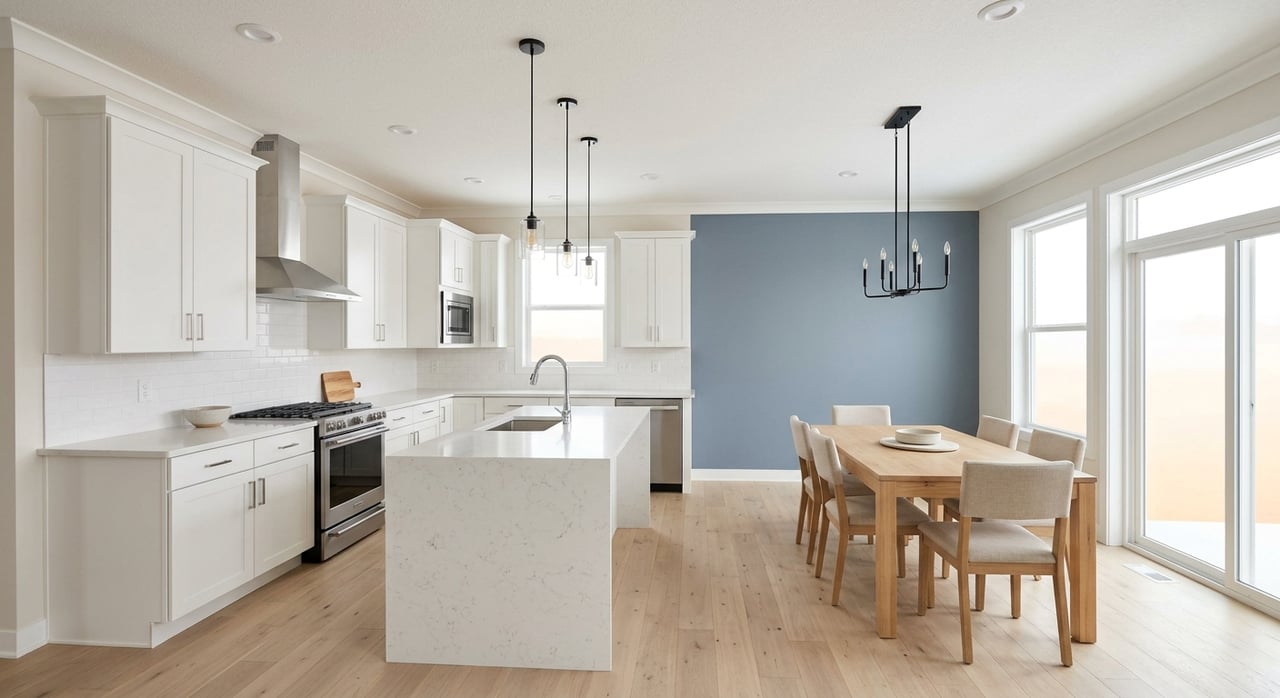
Iowa Colony New Construction Buyers Guide From Out of Town
Thinking about buying a brand-new home in Iowa Colony while living somewhere else? You are not alone, and you are not overthinking it if the process feels a little harder from a distance. In a fast-growing market, small details like city limits, school boundaries, floodplain status, and construction checkpoints can make a big difference. This guide will help you focus on what matters most so you can buy with more clarity and less stress. Let’s dive in.
Iowa Colony is growing quickly. Census QuickFacts estimates the population at 17,240 as of July 1, 2024, up from 8,154 in the 2020 census. For you as an out-of-town buyer, that growth helps explain why new construction is drawing interest and why due diligence matters.
Fast growth can also create moving parts. City maps, annexation history, permit jurisdiction, and utility transitions may not line up neatly with a subdivision name alone. That is why it is smart to verify the exact parcel details early instead of assuming every lot in a community follows the same rules.
When you buy new construction remotely, the street address matters more than the marketing brochure. Iowa Colony’s official maps show city limits, annexation history, zoning, voting districts, and major thoroughfares. Brazoria County also notes that the county has no zoning regulations, but properties inside city limits or ETJ areas follow city zoning rules.
That means two homes in the same general area may not have the same oversight or permitting path. Before you get too far into the process, confirm the parcel location, whether it is inside city limits or ETJ, and which jurisdiction is handling permit-related issues. This is one of the easiest ways to avoid confusion later.
Texas handles new-construction contracts differently than many buyers expect. TREC publishes separate New Home Contract forms for completed construction and incomplete construction. Using the right form matters because TREC warns that mistakes can lead to financial loss or even an unenforceable contract.
If you are buying from out of town, this becomes even more important. A builder contract timeline, a home that is still under construction, and changeable completion dates can all affect what you agree to. Your agent relationship should also be documented separately from the purchase contract, since TREC says buyer representation is handled outside the actual sale contract.
When you cannot stop by the job site on a random Tuesday, clear representation becomes even more valuable. TREC says licensed brokers and sales agents owe fiduciary duties to their clients, including informing clients of material information, answering questions, and presenting offers and counteroffers.
That matters because the builder’s sales team works for the builder. Your own representation gives you someone focused on your side of the transaction, including contract review support, negotiation strategy, inspection timing, and communication checkpoints. For an out-of-town purchase, that extra structure can help keep the process from feeling like a black box.
One of the biggest mistakes remote buyers make is relying on a final walkthrough alone. By that point, drywall, finishes, and landscaping may hide earlier issues. Iowa Colony’s new-home checklist shows that important compliance items happen during the build, including site plans, drainage and grading review, windstorm compliance, form surveys at foundation inspection before the slab is poured, and elevation certificates at multiple points when a property is in a flood hazard area.
That is why you should ask for dated photos, inspection sign-offs, survey copies, and elevation certificates at each key stage when applicable. The most useful checkpoints often happen before the home looks camera-ready. A good paper trail can help you understand what was reviewed and when.
If you are not local, focus on a short list of milestones instead of trying to track every nail and cabinet pull. Ask for documentation tied to the stages that affect structure, drainage, and compliance first.
Here are the checkpoints worth watching closely:
The final walkthrough is still important, but think of it as a contract-verification step, not just a casual preview. You are confirming that agreed items are complete and that the home is delivered as expected.
It is easy to assume a new home does not need an inspection. Texas guidance says otherwise. Texas-licensed inspectors must follow TREC’s Standards of Practice and provide the required inspection report form, and Texas REALTORS notes that inspectors still find issues even in brand-new construction.
TREC also cautions against walkthrough or abbreviated inspections. As the buyer, you choose the inspector and pay the inspector directly. You do not have to be there in person, which is especially helpful if you are buying from another city or state, though attending if possible can still help you better understand the report.
For many relocating buyers, school information is a major part of the search. In Iowa Colony, Alvin ISD has campuses in the area, including Iowa Colony High School, Iowa Colony Junior High, and Meridiana Elementary. The district also said it was adding more than 1,000 students a year and adjusting boundaries for new schools.
The practical takeaway is simple: confirm school assignments by the property address before you commit. In fast-growing areas, attendance boundaries can change as new campuses open and enrollment grows. It is best not to rely on community marketing materials alone.
One of the most common surprises for out-of-town buyers is property taxes. In Brazoria County, the appraisal district sets values each year, the appraisal review board handles value and exemption disputes, and local taxing units decide how much money they will spend. The county directory lists the City of Iowa Colony, Alvin ISD, and multiple special districts and MUDs among taxing units.
That means your tax bill depends on the specific parcel, not just the home price. The City of Iowa Colony also notes that local rates are updated as taxing units propose and adopt rates during August and September. If you are estimating monthly ownership costs, verify the exact parcel and taxing-unit list rather than using a broad community estimate.
If the home will be your primary residence, remember that Brazoria County Appraisal District notes homestead exemptions are filed on the new property. It also notes that Texas’s homestead cap limits annual assessment increases on a residential homestead to 10% after the exemption takes effect.
New communities can have utility setups that are still evolving. Iowa Colony says it began transitioning water and wastewater service from multiple MUDs to city service in October 2021 and is moving toward a uniform rate structure.
Before closing, confirm the current water and wastewater provider, tap fees, meter size, and whether the lot is still in a transition area. This is a small step that can save you from confusion when you are setting up service after closing.
Flood risk is never something to guess at, especially when you are buying remotely. Iowa Colony’s permit checklist references FEMA flood maps, and Brazoria County’s floodplain office helps determine flood elevation for new structures based on FEMA data. The county’s 2024 flood update also says its best-practice model in flood zones is to elevate new construction two feet above FEMA’s recommended standards.
For you, the key is to verify flood-hazard information at the exact address. If the parcel is in a flood hazard area, ask whether elevation certificates are required and available. Also confirm whether the lot falls inside city limits or ETJ, since that can affect which local rules apply.
Many buyers hear the word “warranty” and assume it covers the same risks as homeowners insurance. It does not. The Texas Department of Insurance says a home warranty is different from home insurance, and TREC says residential service company contracts are typically offered at the point of sale but are not required when buying a home.
That means you should review each protection separately. If a builder offers a warranty and someone also offers a home service contract, those are different from your actual home insurance policy. Keep each item in its own lane so you know what is and is not covered.
If you want to keep the process manageable, use a clear checklist. You do not need to micromanage every step, but you do need the right verifications in the right order.
A practical plan looks like this:
Buying new construction from out of town is not impossible. It just requires a more organized process than buying a resale home nearby. In a fast-growing place like Iowa Colony, local maps, parcel-specific taxes, build-stage documentation, and address-based verification can help you avoid preventable surprises.
If you want a calmer, more informed path, working with someone who understands Houston-area suburban growth corridors can make the process much easier to manage. When you have clear communication and practical checkpoints, you can make decisions with more confidence, even from miles away.
If you are planning a move and want hands-on guidance through an Iowa Colony new-construction purchase, Hershel Chenevert can help you verify the details, stay on top of the process, and move forward with confidence.



The experience I have gained as a buyer, a seller, an agent, and a landlord are all of benefit to my clients. It is with that experience that I build my business and relationships.