Is your Manvel home competing with shiny new builds, builder incentives, and fast-changing prices? In a growth corridor like southern Brazoria County, the right list price can mean the difference between multiple offers and a stale listing. You want a clear plan that reflects today’s comps, local buyer habits, and the realities of appraisals, flood risk, and taxes. This guide gives you a simple framework to set, defend, and adjust your price with confidence. Let’s dive in.
Why Manvel pricing is different
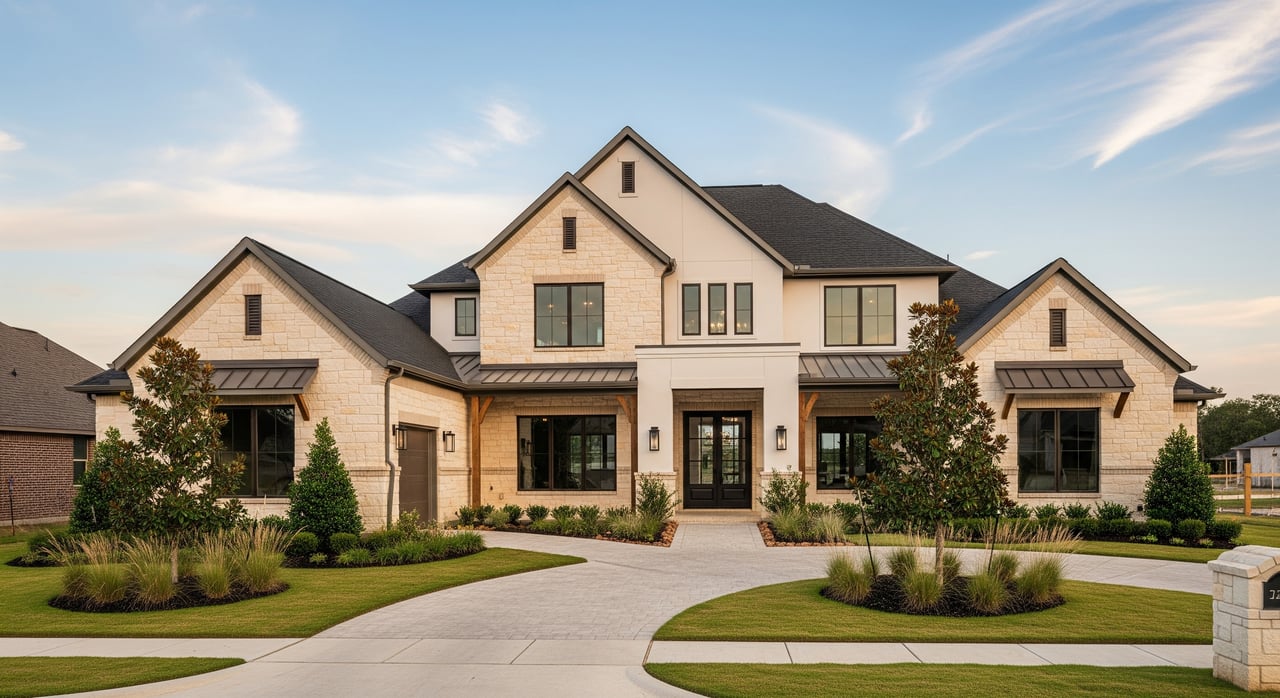
Manvel’s rapid growth brings a steady flow of new subdivisions and master-planned communities. That means your resale home is often compared to brand-new inventory with incentives and warranties. Commute access, upcoming road projects, and nearby commercial development also shape buyer demand and price expectations.
Local dynamics to keep on your radar:
- Competition from new construction and builder incentives.
- Neighborhood-by-neighborhood pricing differences.
- Infrastructure changes that affect commute times and desirability.
- Floodplain considerations and insurance costs.
- Property tax rates and assessments that impact buyers’ monthly budgets.
Use a current, local CMA
In fast-growth areas, comps can go stale quickly. Build a Comparative Market Analysis using closed sales from the last 3 to 6 months in your same subdivision or the most similar nearby sections. Only widen the time frame to 6 to 12 months if inventory is thin.
Key adjustments to make when reviewing comps:
- Size and layout: gross living area, bed and bath count, and functional floor plan.
- Lot and location: lot size, privacy, orientation, corner or cul-de-sac.
- Age and quality: year built, construction quality, roof and HVAC age.
- Upgrades: kitchen and bath updates, flooring, energy efficiency, smart features.
- Flood and elevation: elevation certificates or mitigation features.
Re-run your CMA right before you list. In a moving market, a two-week-old comp set can miss a shift in demand.
Account for new-build competition
Buyers in Manvel compare resale listings to new construction. Builders often offer closing cost help, rate buydowns, or upgrade packages. Those incentives change what buyers can afford and how they value your home.
When you price against new builds:
- Compare apples to apples on lot size, finish level, and location in the community.
- Note any remaining builder warranties on nearby resale comps.
- Track builder incentives so you understand how your net price stacks up.
- Highlight resale advantages: mature landscaping, window treatments, added storage, and post-close costs already covered by the seller.
Set price bands and thresholds
Most buyers search in price brackets, such as “under 300k” or “under 350k.” Listing just below a round number can expand your pool of shoppers.
How to use price bands effectively:
- Identify three tiers in your area: entry, mid, and premium. Place your home where it objectively belongs.
- If you are on the bubble between tiers, consider a price just below a common search threshold to maximize visibility.
- Align your pricing with the condition and finish level that buyers expect within that tier.
Choose speed or max price
Your pricing approach should match your goals and timeline.
- Need a quick sale: Price competitively to shorten days on market and reduce carrying costs. Plan to review activity after 7 to 14 days.
- Have time to test: Price at market or slightly above, then set a clear evaluation window. Be ready to adjust if showings and inquiries are light.
- Unique home with upgrades: Consider value-based pricing with focused marketing to the right buyer profile, such as move-up buyers seeking premium finishes.
Overpricing usually leads to longer market time and larger reductions later. Slight underpricing can sometimes spark multiple offers, which can improve your net proceeds.
Plan for appraisals and financing
In rising markets, appraisals can lag. Buyers may write strong offers but rely on financing and appraisals that hinge on recent comps.
What to prepare before going live:
- Require strong pre-approval letters, not just pre-qualification notes.
- Understand appraisal gap risk and how that could impact your net.
- Collect documentation for upgrades and improvements to support appraisal value.
- Compare contract terms beyond price, including appraisal and financing contingencies.
Factor flood, taxes, HOA
Floodplain and insurance considerations matter to buyers and lenders. Elevation certificates, flood mitigation features, and community drainage improvements can support stronger pricing. Be clear and factual about any flood history.
Property taxes and HOA dues affect monthly payments and total ownership costs. Buyers weigh these against price and incentives from new builds. If your home has higher dues or taxes than a nearby alternative, you may need to reflect that in your pricing or concessions.
Highlight home value drivers
Showcase features that justify your price compared with builder specs and nearby resale homes.
Value drivers that tend to resonate:
- Updated kitchens and baths with quality finishes.
- Energy-efficient HVAC, roofing, windows, and insulation.
- Smart-home features that improve daily living.
- Lot size, privacy, and mature landscaping.
- Cul-de-sac or interior lots that reduce traffic.
If there are deferred maintenance items, either address them before listing or price with a clear plan for credits.
Use data to time adjustments
Track the signals that tell you whether your price is working. Look at current months of inventory, median days on market, and list-to-sale price ratios for your submarket. In fast-growth areas, monitor new listings and pending counts weekly.
Set a short evaluation window after launch:
- First 3 to 5 days: Expect strong online activity and initial showings if you are priced right.
- Days 7 to 10: Review showing volume, feedback, and any offers.
- Day 10 to 14: If traffic is low or feedback points to price, make one structured reduction instead of multiple small cuts.
Seller checklist for Manvel
Use this quick list to prepare a data-backed price and launch.
- Build a fresh CMA using 3 to 6 recent closed comps and at least 3 active or pending comps in your subdivision.
- Compare directly to new builds on lot, finish level, incentives, and warranties.
- Choose your position: entry, mid, or premium tier, then price near a key search threshold if helpful.
- Set your evaluation plan: a 7 to 14 day window with a defined reduction trigger if showings are weak.
- Prepare documentation: upgrades list, receipts, permits, elevation certificate if applicable, and recent service records.
- Create a net proceeds estimate at the suggested price and two alternative price points that include likely concessions.
- Plan for negotiation: know where you can offer credits or a rate buydown to keep your net intact.
Buyer tips for comparing options
If you are also buying in Manvel, use a clear framework to compare resale and new construction.
- Factor incentives: Closing cost help or rate buydowns can change your monthly payment.
- Check finish levels: Model homes often show upgrades that are not standard.
- Evaluate taxes and dues: Compare property tax rates and HOA fees across communities.
- Understand appraisal risk: In competitive situations, discuss appraisal gaps and contingency strategies with your lender.
Work with a local strategist
Pricing in a fast-growth market is not guesswork. It is a disciplined process that blends very recent comps, direct competition with new construction, and a clear plan for negotiation and appraisal. You deserve a hands-on partner who will refresh data right up to launch, position your home in the right tier, and defend your value with facts.
If you want a personalized pricing session, a fresh CMA, and a net proceeds plan tailored to your address, connect with Hershel Chenevert.
FAQs
How quickly do comps become outdated in Manvel’s fast-growth neighborhoods?
- In fast-changing areas, revisit comps weekly and rebuild your CMA right before you list to reflect the latest solds, pendings, and builder incentives.
Should I price below market to spark multiple offers in Manvel?
- If your goal is speed, modest underpricing can increase showings and competition, but always pair it with a 7 to 14 day evaluation plan and evidence from very recent comps.
How do new-build incentives affect my resale price in Manvel?
- Builder credits, rate buydowns, and warranties can shift buyer math, so price your home with those incentives in mind and highlight your resale advantages.
What role does flood risk play in Manvel home pricing?
- Flood zones and insurance costs influence buyer demand and lending, so provide elevation certificates and any mitigation details to support your price.
How should I present upgrades so appraisers and buyers value them?
- Provide a detailed upgrades list with dates, receipts, and permits, then feature items with clear utility like HVAC, roof, kitchen, bath, and energy improvements.
How do property taxes and HOA dues factor into pricing strategy?
- Higher taxes or dues can reduce affordability, so either adjust list price or plan concessions like credits or rate buydowns to keep your net competitive.
What seller concessions are common in competitive Manvel markets?
- Concessions often include closing cost help, repair credits, or a rate buydown; structure them to support buyer affordability while protecting your net proceeds.
How often should I adjust price if showings are weak in Manvel?
- Use one structured reduction after a 7 to 14 day window rather than multiple small cuts, and base the change on feedback, traffic, and updated comps.