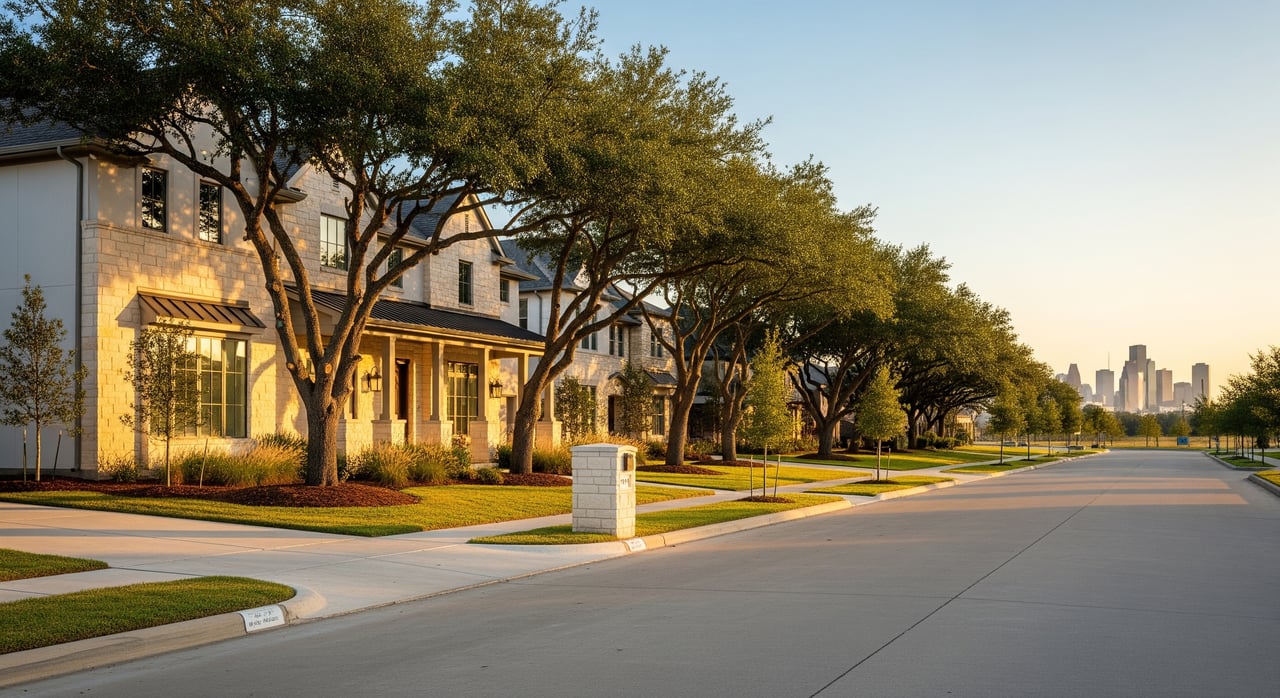
Living in Pearland, Texas: Neighborhoods, Commutes & Schools
Thinking about moving to Pearland? You’re not alone. With a wide mix of neighborhoods, access to major job centers, and plenty of suburban conveniences, Pearland draws buyers who want more space without losing connection to Houston. In this guide, you’ll learn what types of homes to expect, how commuting typically works, what to know about schools, and the practical checks to make before you buy. Let’s dive in.
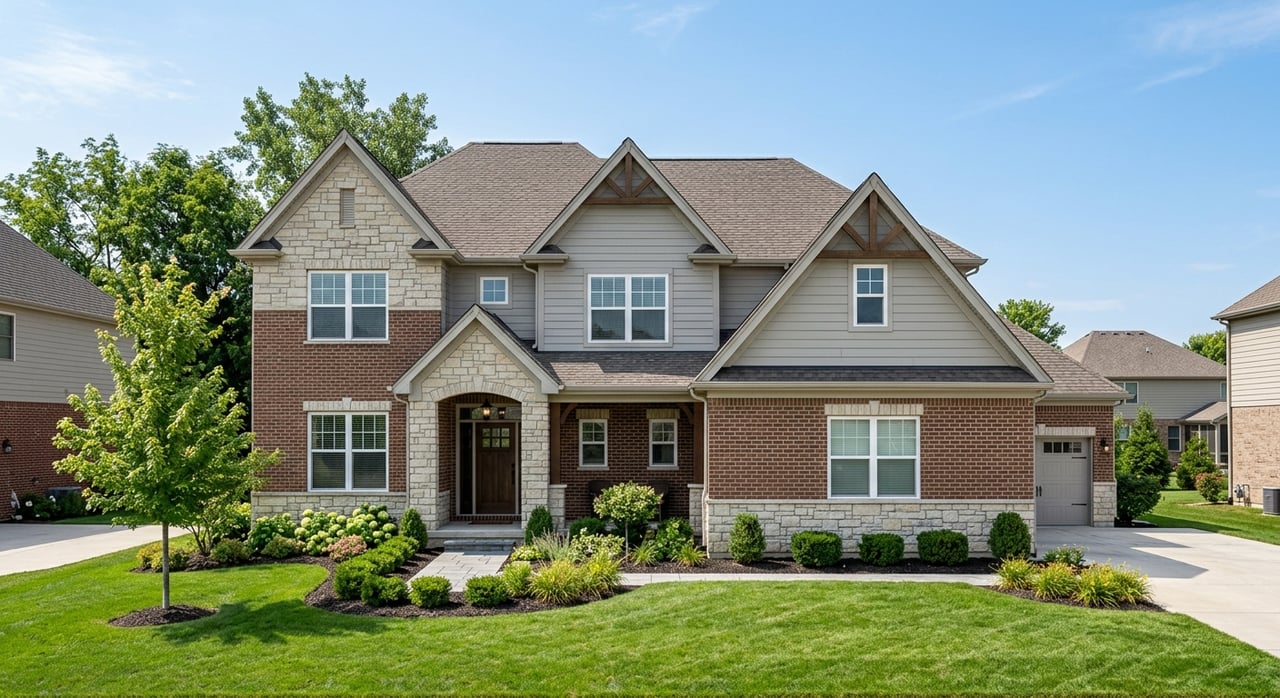
Pearland is a suburban community with master-planned neighborhoods, established subdivisions, and ongoing new construction. Most development clusters along State Highway 288, Broadway/FM 518, and Beltway 8. You’ll see mostly single-family homes, along with some townhomes and apartments. Buyers range from first-time homeowners and Medical Center commuters to move‑up families and retirees.
What this means for you: You can choose between newer master‑planned amenities or mature streets with larger lots. Commute routes and school attendance zones often guide the shortlist. HOA fees, floodplain history, and utility districts are part of the cost picture.
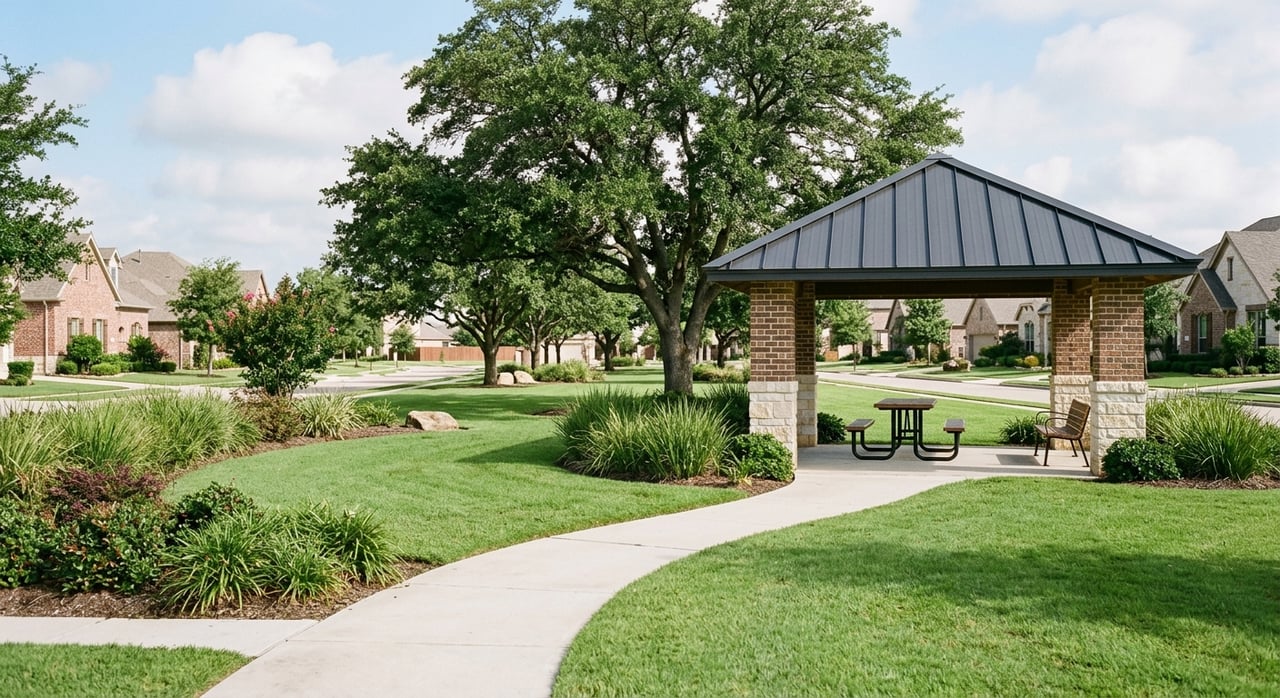
A large master‑planned community with pools, trails, lakes, and active HOA programming. It appeals if you want newer construction and quick access to SH 288 for Downtown and Texas Medical Center commutes. Expect community events and a variety of home sizes.
An established master‑planned area in north Pearland with parks, walking trails, and convenient access to Beltway 8. If you like a suburban feel closer to Houston routes and nearby retail, this area often lands on buyer shortlists. HOA structure and amenities are part of the draw.
Pearland’s historic core offers smaller lots, older homes, and a walkable setting with local shops and restaurants. It suits buyers who value character, community events, and an intimate main‑street vibe. Renovation potential can be part of the appeal.
Older, established neighborhoods with mature trees and a mix of original ranch homes and updated properties. These areas can offer lower entry prices or larger lots near older commercial corridors. They are convenient to key arterials for commuting.
You’ll find ongoing new construction along FM 518, FM 665, and near county lines. Products range from tract homes to higher‑end custom builds on larger lots. Ask about planned infrastructure, HOA rules, and future phases that could shape long‑term value.
Pearland is largely car‑dependent, and most residents drive to work. Peak‑hour congestion on SH 288 and Beltway approaches can extend travel times. As broad guidance, many commutes into central Houston range from about 25 to 60+ minutes depending on your exact location and time of day. For decision-making, drive your likely route during rush hour to gauge real conditions.
Public transit options are limited compared with inner‑Houston neighborhoods. Some commuter bus, park‑and‑ride, or private vanpools may be available for Downtown or Medical Center routes, but availability changes over time. Biking and walking work well inside many master‑planned communities for daily exercise, though they are not substitutes for long‑distance commuting.
Toll roads and managed lanes may save time on some routes, but factor in monthly costs. Parking is generally available in major employment centers, though fees vary by location. If your employer offers transit or parking benefits, that can help offset costs.
Most of Pearland is served by Pearland Independent School District (PISD), which operates multiple elementary, middle, and high schools. Some areas within the city limits may fall under other nearby districts because Pearland crosses county lines. Always confirm the assigned campus for any specific property.
Texas Education Agency (TEA) accountability ratings and campus report cards are public and updated periodically. Families also consider charter schools, magnet programs, and private school options across the Houston area, depending on their needs.
Pearland Town Center anchors a wide range of shopping and dining, from national retailers to local eateries. You’ll also find neighborhood retail clusters in newer master‑planned areas. Old Town Pearland adds independent shops and restaurants with a small‑town feel.
City parks, walking trails, sports fields, and community centers are spread throughout Pearland. Many master‑planned communities add private pools, courts, and event programming. Seasonal festivals and family‑friendly events are common.
Major Houston‑area health systems operate clinics and hospital facilities in and around Pearland. Many residents commute to the Texas Medical Center for work or specialty care. Having both local services and access to the TMC is a key lifestyle benefit.
Safety perceptions vary by neighborhood. To understand local trends, review Pearland Police Department crime statistics and compare with county or state data. The City of Pearland provides water, wastewater, solid waste, parks, and public safety services, and utility providers can differ by county line and subdivision.
Flood risk is a major consideration across the Houston region, and Pearland saw impacts during events like Hurricane Harvey. Risk varies block by block. Review FEMA flood maps and local floodplain information, request elevation certificates when relevant, ask for seller flood disclosures, and consider flood insurance even if a property is not in a mapped Special Flood Hazard Area.
Property tax bills typically include city, county, school district, and any municipal utility district (MUD) assessments. HOAs are common in master‑planned communities and cover amenities and common‑area maintenance. Ask for current tax estimates, HOA fee schedules, and utility details for the specific parcel you’re considering.
Pearland follows broader suburban trends: inventory, pricing, and days on market vary by neighborhood and home type. Master‑planned communities often carry premiums for amenities and newer construction, while older areas may offer lower entry points and larger lots. For an up‑to‑date view, review local MLS data and neighborhood‑level comps before making offers.
Plan for standard inspections that focus on foundation, roof, HVAC, and drainage. Confirm any past flood claims and repairs. Flood insurance premiums and requirements depend on elevation, flood zone, and lender guidelines; get quotes early in the process.
If Pearland is on your radar, a neighborhood‑specific plan will help you compare HOA communities, older streets with larger lots, and new‑build options along key corridors. You’ll want clear answers on commute tradeoffs, school zoning, flood risk, taxes, and ownership costs before you write an offer. For a personal walkthrough of neighborhoods, current inventory, and step‑by‑step buying strategy, connect with Hershel Chenevert.

The experience I have gained as a buyer, a seller, an agent, and a landlord are all of benefit to my clients. It is with that experience that I build my business and relationships.