Thinking about selling your Pearland home but not sure when to hit the market? You want a strong price, a smooth timeline, and as little stress as possible. The right month can help you attract more buyers, avoid weather delays, and line up your move with confidence. In this guide, you’ll learn the best times to list in Pearland, how the school calendar and hurricane season affect your strategy, and what to do over the next 6 to 18 months to get your home sale‑ready. Let’s dive in.
Pearland selling seasons at a glance
Pearland follows a pattern seen across many Houston suburbs. The most active months are late winter through late spring, when more buyers are touring and inventory builds.
- Spring strength (late February to May): This is often the best window for price and activity. You can catch family buyers planning summer moves and benefit from stronger overall demand.
- Late summer to early fall (August to September): This period can work for motivated buyers who want to settle before school starts. Expect fewer buyers than spring, so pricing and presentation matter.
- Winter (November to January): Activity slows, but the buyer pool can be more serious. If you prioritize speed and convenience over top‑of‑market pricing, a well‑priced winter listing can move.
School-year timing for families
For family buyers, the school calendar drives decisions. Many aim to close in late spring or early summer so they can move and enroll before the next school year.
- Best window for school-driven demand: List in late February through April. Aim to be under contract by late April to May so you can target a June to July closing.
- This schedule allows time for marketing, showings, negotiations, and typical closing timelines. It also gives families a cushion for packing and settling before the first day of school.
- If your home is in a popular attendance area, include neutral, factual details on school zones and start dates in your listing packet to answer common questions.
Plan around hurricane season
Hurricane season runs from June 1 to November 30 on the Gulf Coast. Storms can delay inspections, repairs, and closings, and flood‑zone questions are top of mind for buyers.
- If your critical dates fall in peak storm months, build in time for weather delays and consider backup closing plans.
- Gather documentation early: flood‑zone status, elevation certificates if available, insurance history or quotes, and any mitigation work like roof reinforcements or drainage improvements.
- Proactive communication helps buyers feel confident. Highlight recent updates that improve resilience and comfort, such as impact-rated features or HVAC performance.
What to do 6–18 months out
Start sooner than you think. A clear plan lets you time the market and avoid last‑minute stress.
12–18 months out: plan and decide
- Meet with a local listing agent for a pricing outlook and to set your target window.
- Decide whether to pursue major renovations or sell as‑is. Larger projects need permits, scheduling, and ROI analysis.
- If your home has a flood history, plan mitigation or documentation steps now.
6–12 months out: tackle big repairs
- Complete roof, structural, HVAC, plumbing, or electrical work that could derail a buyer’s inspection.
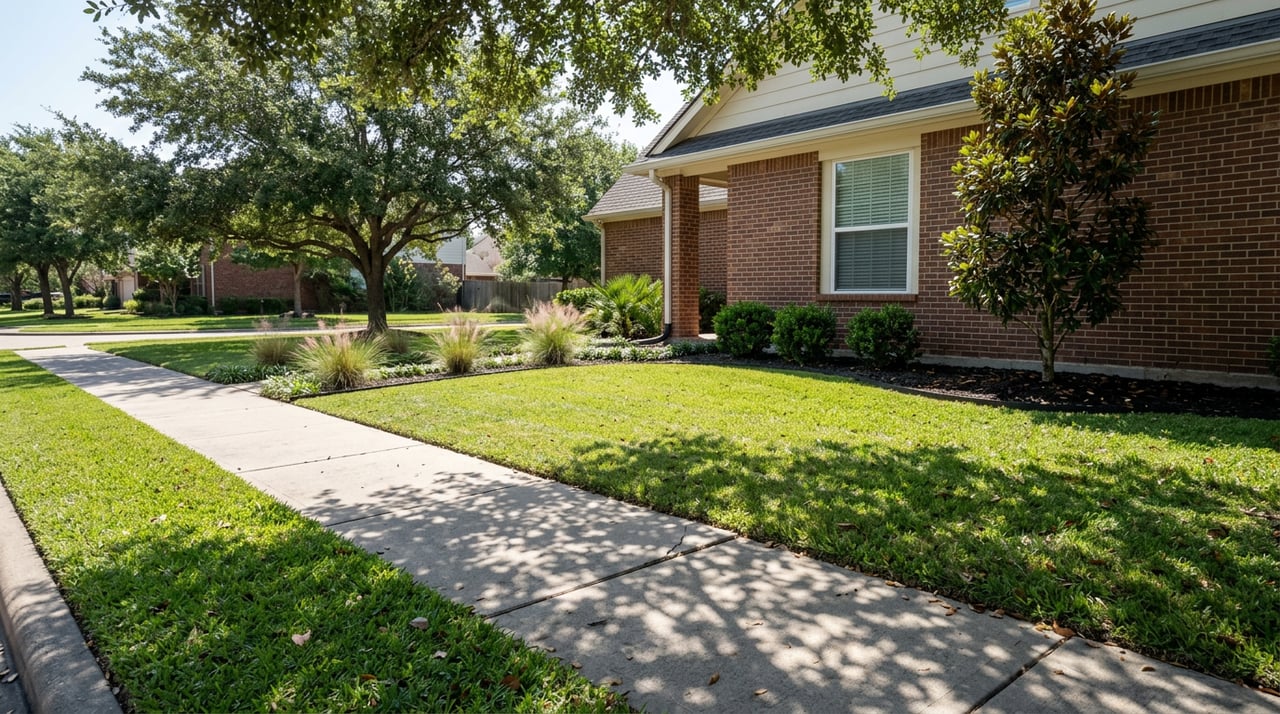
- Begin landscape improvements so curb appeal peaks in spring or early fall.
- If you expect to stage, reserve vendors and plan timelines around your list date.
2–3 months out: finish and prep
- Consider a pre‑listing inspection to uncover issues buyers may flag.
- Handle cosmetic updates: fresh paint, flooring touch‑ups, lighting fixes, and minor kitchen or bath repairs.
- Declutter and depersonalize. Schedule professional photography and a floor plan.
- Prepare a buyer‑friendly info packet: school calendar and attendance info, commute notes, flood documents, recent utility averages, and amenity highlights.
0–6 weeks out: go to market
- Price strategically based on fresh comps, inventory, and your goals for speed vs price.
- Line up open houses and showing windows. Adjust quickly based on feedback.
- If closing may land in storm season, negotiate timelines and contingencies with that in mind.
Buyer types by season
Different buyers shop at different times. Position your home to speak to their needs.
- Family buyers (late winter through spring): Emphasize flexible summer possession, functional floor plans, storage, and proximity to daily needs. Provide clear info on attendance zones without value judgments.
- Relocation and job transfers (year‑round): Highlight move‑in readiness, fast response times, and ease of closing. Offer flexibility on possession if possible.
- Investors and second‑home buyers (late summer/fall or winter): Spotlight low‑maintenance features, rental potential, and recent system updates.
- First‑time buyers (varies with rates): Clarify monthly cost drivers like utilities and insurance. Provide a simple outline of your home’s recent improvements.
Pricing, rates, and inventory
Three forces shape timing: your price goal, mortgage rates, and local supply.
- Price vs speed: Peak spring often brings more buyers and stronger offers. Off‑peak months can still work if you price with precision and lean into presentation.
- Mortgage rates: When rates rise, buyer budgets tighten; when rates ease, demand can pick up. If you have a 6 to 18 month window, revisit timing if rate trends shift.
- Inventory: More competing listings in spring can mean more showings but also more choice for buyers. Lower inventory in winter may help a competitively priced home stand out.
Work with a local agent who tracks Pearland MLS data and Houston Association of Realtors reports. The latest median price, days on market, and months of supply will help you pick the best month and set a defensible list price.
Example timing plans
Use these sample paths to back into your dates.
- Maximize price before the next school year: Start prep in fall, finish updates by January, list in March, target under contract by late April, and close in June or July.
- Need a summer or early fall closing: If a job move is set for August, list in July with strong interior comfort and HVAC notes. Expect a smaller buyer pool and negotiate timelines carefully around storm activity.
- Quick, lean winter sale: If convenience matters most, list in December with a sharp price and clean presentation. Target relocation or motivated buyers and consider limited concessions to secure a smooth closing.
Common mistakes to avoid
- Waiting to start repairs, then missing the spring window.
- Scheduling major milestones in the heart of hurricane season without backup plans.
- Skipping flood and insurance documentation that buyers will request.
- Pricing only off last year’s sales and not current inventory and rate conditions.
- Posting photos taken in harsh summer light when spring or early fall images would show better online.
Let’s plan your Pearland sale
Your best time to sell depends on your goals, your home’s readiness, and real‑time market conditions. With a clear plan and local guidance, you can time your listing for stronger activity, fewer surprises, and a cleaner closing.
If you want a hands‑on plan tailored to your timeline, connect with Hershel Chenevert. Get a data‑driven pricing strategy, a seasonal prep checklist, and modern marketing designed to reach the right Pearland buyers.
FAQs
What is the best month to sell a Pearland home?
- Late February through May typically offers the widest buyer pool and stronger price outcomes, especially if you aim to be under contract by late April to May for a June to July closing.
How does hurricane season affect Pearland home sales?
- Storms between June 1 and November 30 can delay inspections and closings; plan contingencies, complete key repairs early, and provide flood and insurance documentation to build buyer confidence.
Is winter a bad time to list in Pearland?
- Not necessarily; buyer volume is lower from November to January, but active shoppers tend to be serious, so a well‑priced home can sell with fewer showings.
When should I list to move before the next school year?
- List in late February through April and aim to be under contract by late April to May so you can target a late spring or early summer closing.
What documents should I have ready for Pearland buyers?
- Prepare flood‑zone status, any elevation certificate, recent insurance quotes or history, records of mitigation work, and neutral school calendar and attendance information.
How far in advance should I start preparing my home?
- Start planning 12 to 18 months out for major decisions, complete big repairs 6 to 12 months out, and finish cosmetic updates and listing prep 2 to 3 months before you go live.