Leave a Message

Thank you for your message. We will be in touch with you shortly.

Pearland Pre-Listing Walkthrough: A Room-By-Room Checklist

Thinking about listing your Pearland home but not sure where to start? Between Gulf Coast humidity, summer storms, and buyer scrutiny on roofs and HVAC, getting market-ready can feel overwhelming. You deserve a clear plan that saves time, avoids surprises, and helps you sell with confidence. This room-by-room checklist is tailored to Pearland and Brazoria County so you can focus on what matters most. Let’s dive in.

Why Pearland prep matters

Pearland’s hot, humid climate speeds up mildew and exterior wear, so buyers pay close attention to roof condition, drainage, and signs of water intrusion. Hurricane season and heavy rains raise the stakes for gutters, downspouts, and any flood mitigation on site. Termites and other wood-destroying insects are common in the Gulf Coast region, and HVAC performance is a frequent inspection item. Planning ahead helps you address these local factors before they hit negotiations.

How to use this checklist

  • Start outside, then work room by room inside.
  • Prioritize safety, roof, HVAC, plumbing, and moisture issues.
  • Schedule pros early for inspections or repairs that need lead time.
  • Gather permits, warranties, and HOA documents as you go.

Exterior and curb appeal

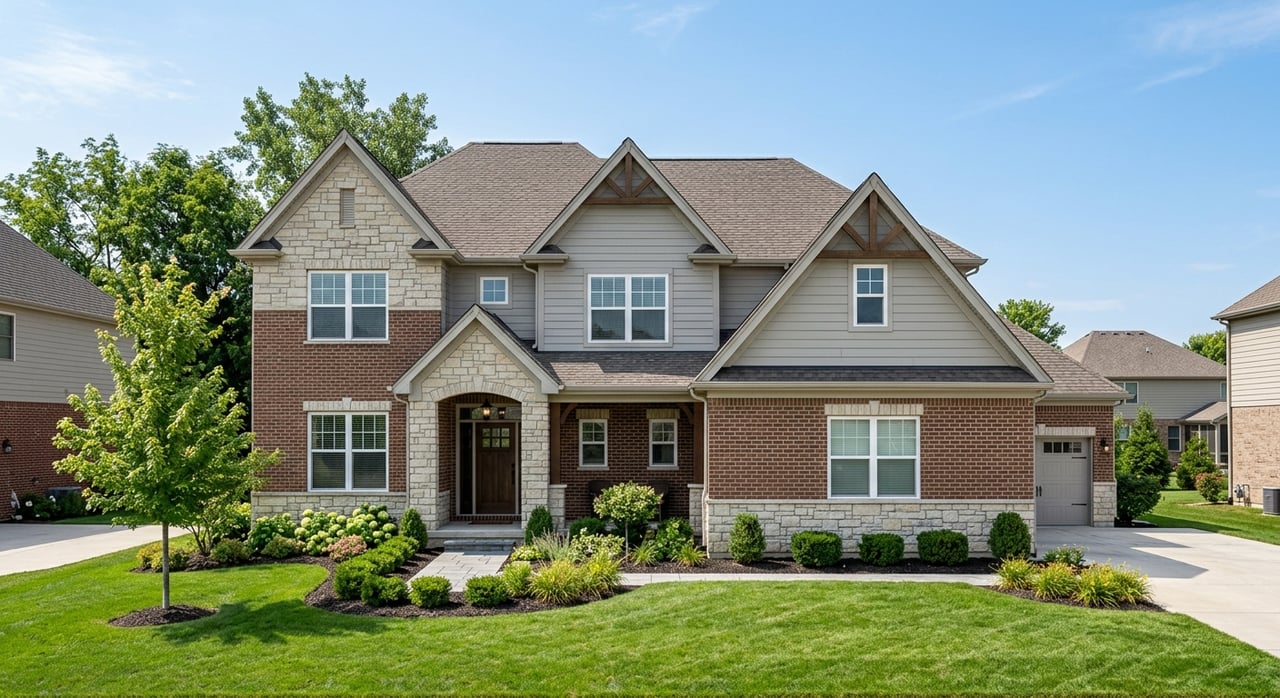
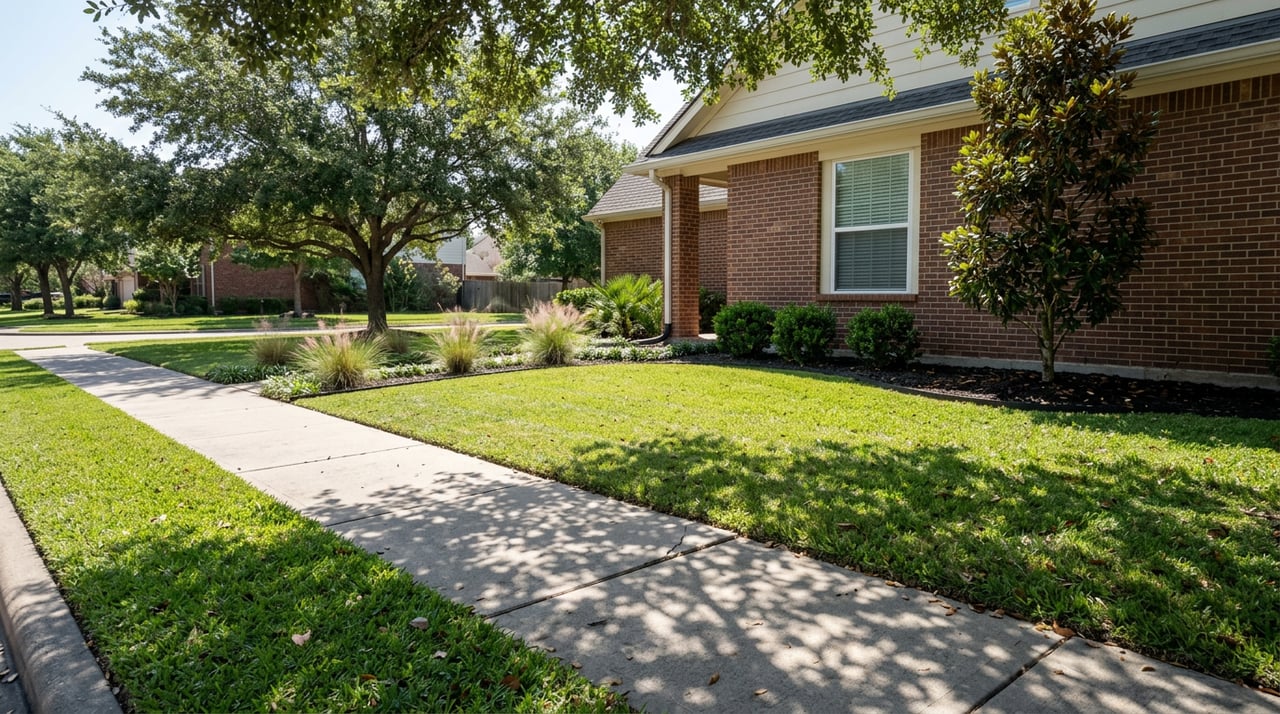
  • Lawn and beds: mow, edge, trim shrubs away from siding, add fresh mulch, and remove dead plants.
  • Hardscapes: pressure-wash driveway, walkways, and porch; repair cracks or loose pavers.
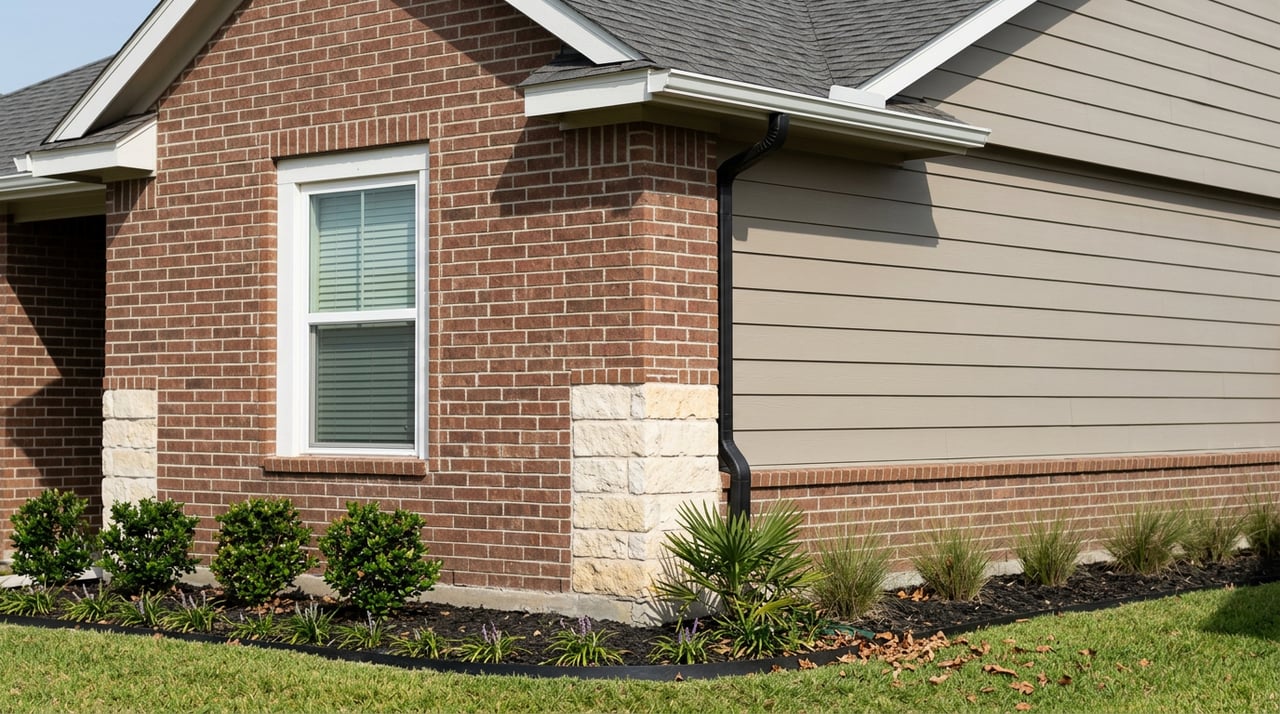
  • Roof and gutters: clear debris, secure loose shingles, confirm gutters and downspouts move water away from the foundation; document any roof work or age.
  • Siding and paint: touch up paint, repair damaged siding, and fix mortar gaps.
  • Lighting and numbers: ensure fixtures work and house numbers are visible.
  • Fencing and gates: tighten loose boards and hardware; confirm gates operate smoothly.
  • Pool or spa: keep clean and functioning; gather recent service records and safety equipment details.
  • Termite vigilance: remove wood-to-soil contact and trim vegetation away from the foundation.

Entry and foyer

  • Clear sightlines: remove clutter and shoe racks for a spacious first impression.
  • Door hardware: tighten hinges and handles; repaint or refinish the front door if needed.
  • Lighting: install bright, warm bulbs; ensure fixtures work.
  • Flooring: deep clean or repair entry flooring or rugs.

Living spaces

  • Declutter: remove extra furniture to improve flow and make rooms feel larger.
  • Walls and floors: patch nail holes and scuffs; clean carpets or repair worn areas.
  • Windows: clean glass; ensure blinds and shades operate properly.
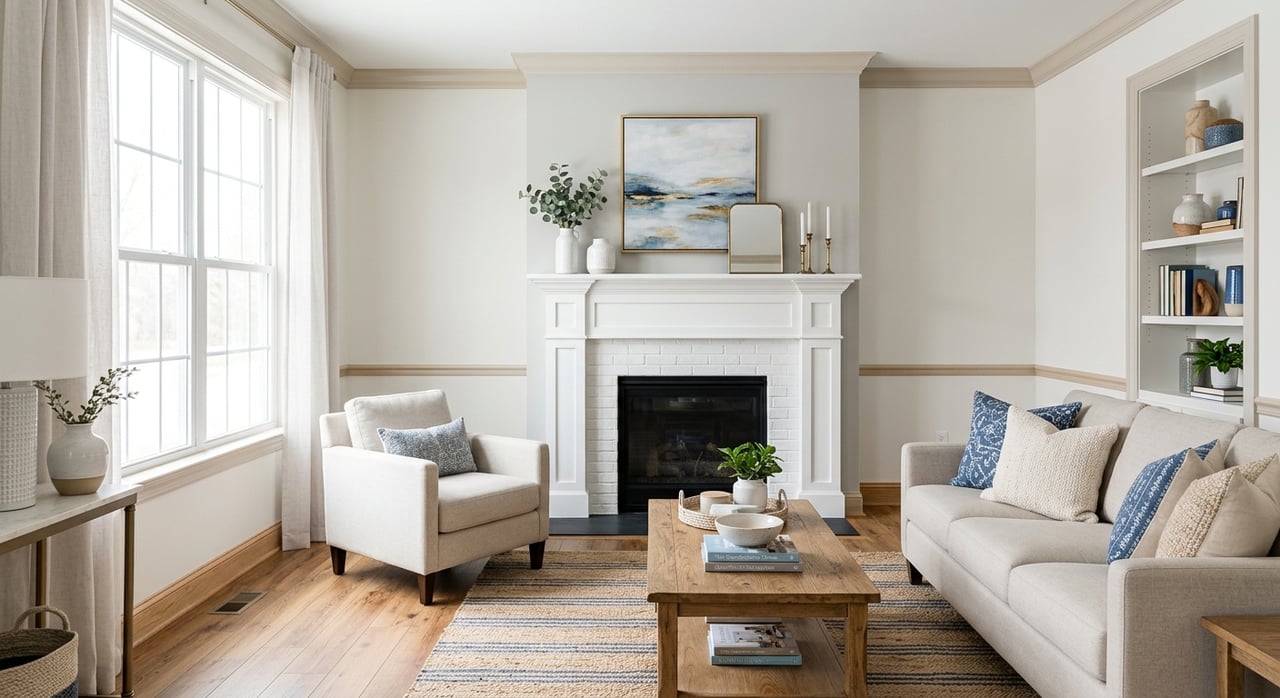
  • Staging: highlight focal points like a fireplace or view with neutral accents.

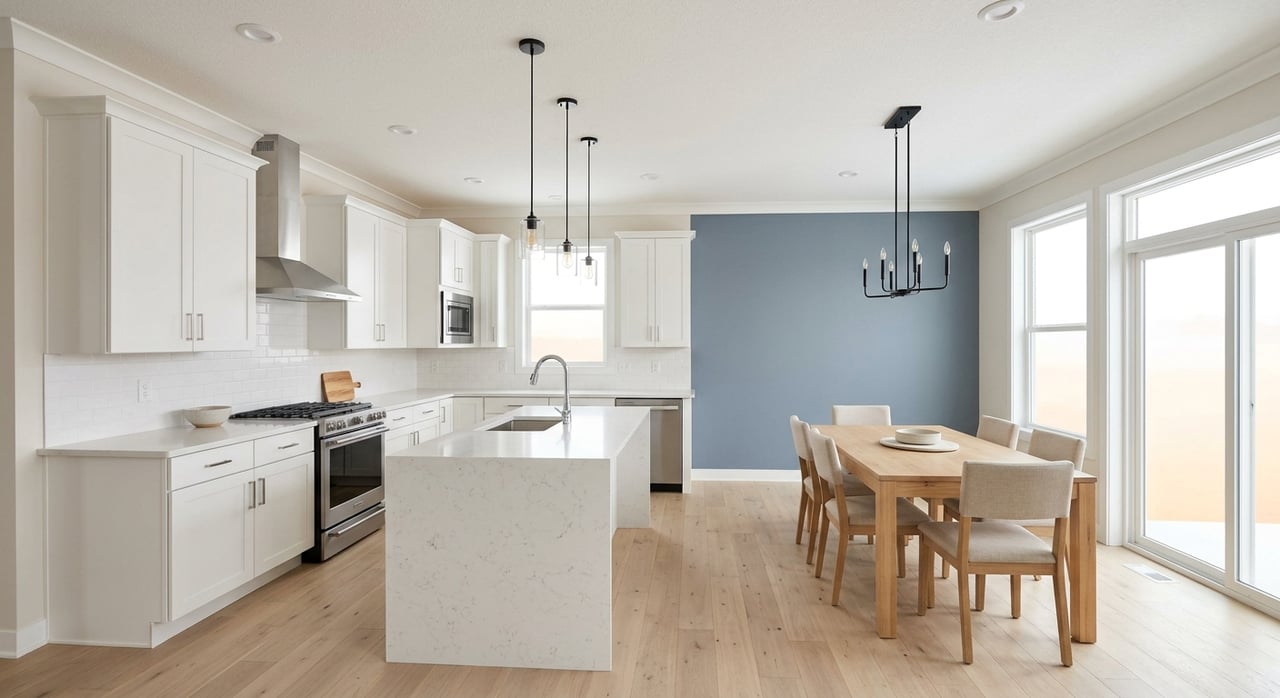
Kitchen checklist

  • Appliances: clean inside and out; replace worn knobs or handles; verify basic functions.
  • Counters and backsplash: repair chips, clean or reseal grout, consider modest resurfacing if visibly worn.
  • Cabinets: touch up paint, tighten hinges, and replace missing hardware.
  • Plumbing: fix leaky faucets; check under-sink for drips or damaged hoses; verify disposal operation.
  • Lighting: brighten tasks with under-cabinet bulbs and a reliable ceiling fixture.
  • Surfaces: declutter counters, leaving only minimal, attractive items.

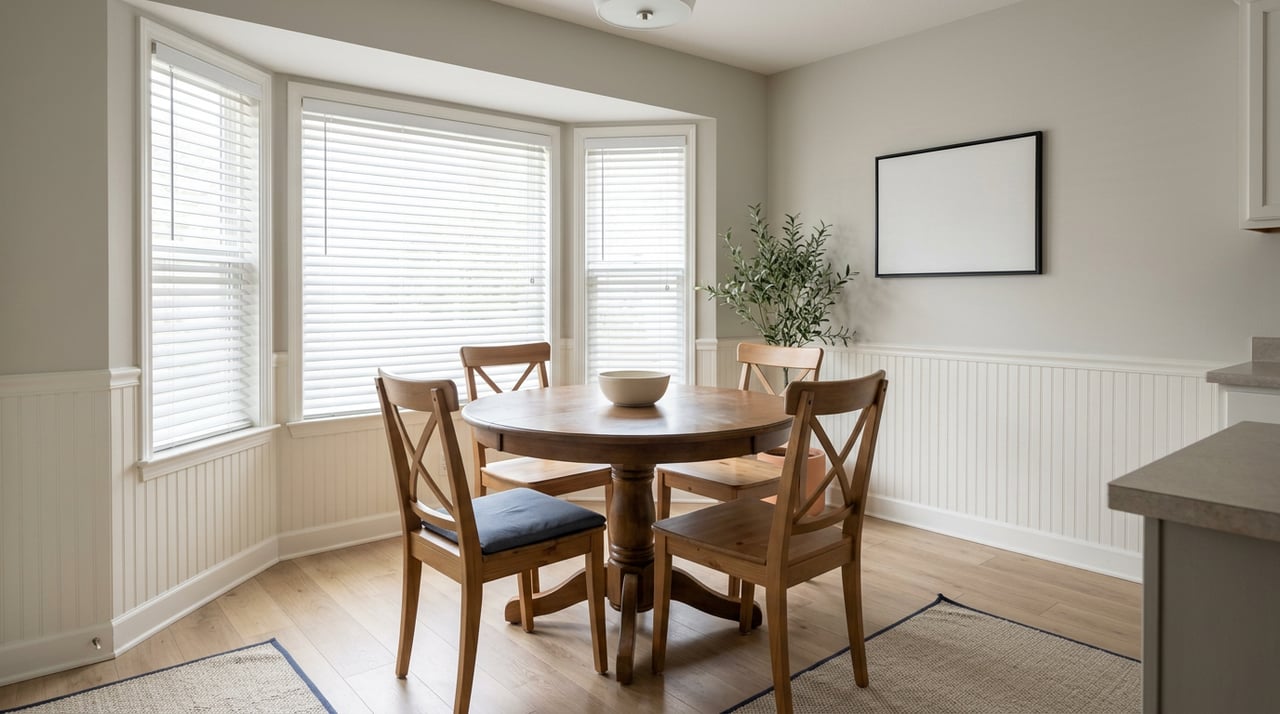
Dining areas

  • Clean and simplify: remove personal items; set a simple, neutral table.
  • Lighting: confirm bulbs match color temperature for photos.

Bedrooms

  • Space and storage: remove excess furniture; tidy closets since buyers often check storage.
  • Bedding: use neutral linens and ensure visible surfaces are clean.
  • Windows: clean and confirm coverings work smoothly.
  • Closets: replace missing shelf clips and add lighting if needed.

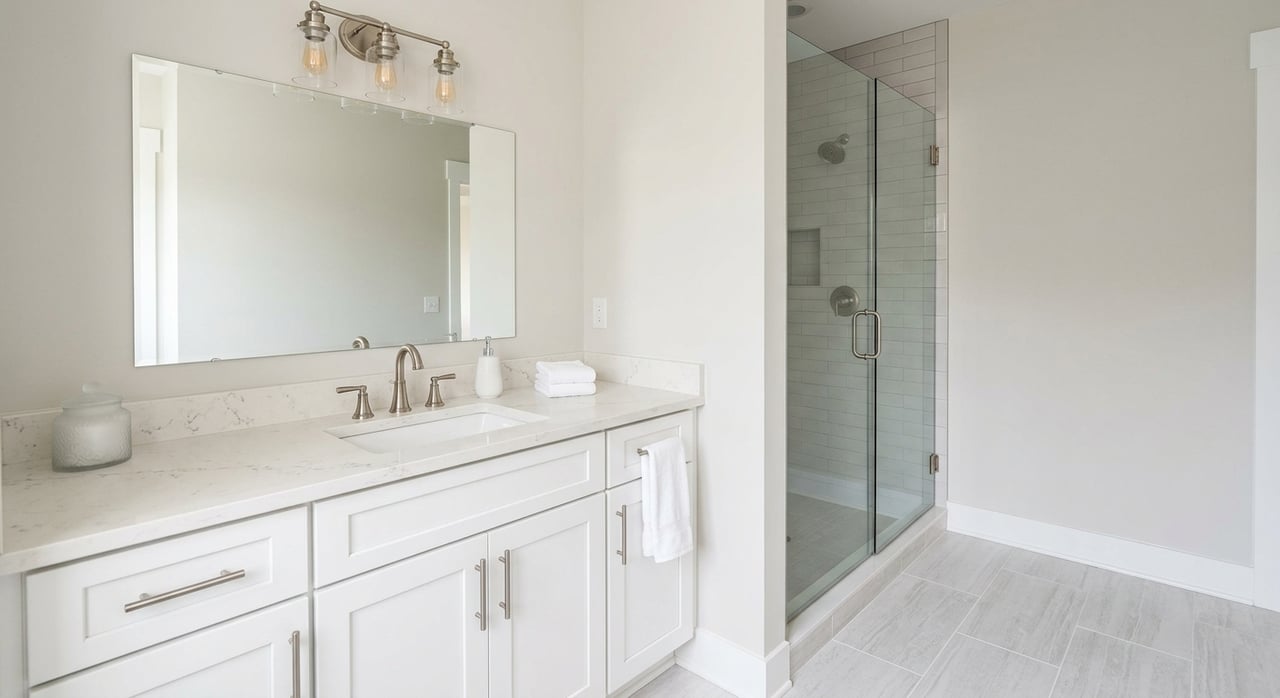
Bathrooms

  • Deep clean: scrub tile and grout; recaulk tubs and showers if caulk is discolored.
  • Fixtures: fix running toilets and leaky faucets; tighten loose hardware.
  • Ventilation: confirm the exhaust fan works to reduce humidity.
  • Vanity and mirrors: clean thoroughly; replace cracked mirrors; tighten cabinet doors.
  • Showers: replace worn curtains or polish glass doors.
  • Hot water: confirm adequate hot water and clear access to the water heater.

Laundry and utilities

  • Appliances: clean washer and dryer; clear lint traps and service the dryer vent.
  • Plumbing: check connections and label hot/cold for easy inspection.
  • Storage: declutter shelves to show utility space.

Garage and driveway

  • Organize: store items on shelves or pegboards to show usable space.
  • Safety: test garage door opener and safety sensors.
  • Access: keep clear paths to the electrical panel and water shutoffs.

Attic and systems

  • Attic: remove debris; ensure insulation is in place; secure loose wiring; keep access clear for inspectors.
  • HVAC: change filters; gather service records; confirm both heat and AC function; consider duct cleaning if visibly dusty.
  • Water heater: check for leaks or corrosion; collect maintenance records.
  • Manuals and warranties: compile documents for roof, HVAC, water heater, and appliances.

Safety checks

  • Detectors: replace batteries in smoke and carbon monoxide detectors; confirm units are mounted and working.
  • Electrical: label circuit breakers for easy identification.
  • Stairs: confirm secure handrails and safe treads.
  • Keys and codes: assemble a full key set and any necessary gate or garage codes for showings.

Photo and showings

  • Lighting: turn on all interior lights; use consistent daylight or soft-white bulbs.
  • Windows: open blinds for natural light and clean glass.
  • Driveway: move cars off-site to showcase curb appeal.
  • Pet prep: tidy pet areas and remove odors.
  • Show-ready: plan to keep the home neat the day of photos and for early showings.

Inspections and documents

Pre-list inspection

  • Consider a professional home inspection before listing to identify issues that buyers may find.
  • Typical scope includes roof, structure, HVAC, electrical, plumbing, appliances, attic, and visible interior and exterior items.
  • A pre-list inspection can reduce renegotiation risk and help you decide whether to repair or price accordingly.

Termite and WDI inspection

  • Wood-destroying insects are common in the Gulf Coast area and some loans may require an inspection.
  • If issues are found, address active infestations or consider preventative treatment with a licensed pest control contractor.

Flood status and insurance

  • Check FEMA flood zone status and gather any elevation certificate or flood claim history.
  • If applicable, document drainage improvements or mitigation measures and confirm flood insurance status.

Permits and renovations

  • In Pearland, many structural, electrical, plumbing, and exterior projects require permits.
  • Collect permits, final inspection sign-offs, invoices, and warranties for past work, especially for roof, HVAC, water heaters, electrical upgrades, and additions.

Required disclosures

  • Texas requires seller disclosure forms; work with your agent to complete the correct package.
  • For homes built before 1978, provide the EPA lead-based paint pamphlet and disclose known lead hazards.
  • Disclose known material defects, prior flood damage, major repairs, and environmental hazards.

HOA requirements

  • If your home is in an HOA, request the resale packet early and note fees and timelines.
  • Confirm compliance with covenants and any community requirements that could affect closing.

Repair or price as-is

  • Use local comps and agent advice to weigh repair costs against expected return.
  • Low-cost updates like paint, curb appeal, lighting, and minor kitchen or bath touch-ups often deliver strong perceived value.

Timeline and costs

  • Small cosmetic prep: 1 to 2 weeks for cleaning, paint touch-ups, and light staging.

  • Moderate repairs: 2 to 6 weeks for roof fixes, HVAC service, or termite treatment depending on contractor availability.

  • Paperwork and approvals: HOA resale packets and permit verification can add days or weeks, so start early.

  • Prioritize budget on health and safety, roof or leak issues, electrical hazards, HVAC reliability, and active pest problems.

  • Expect a few hundred dollars for a typical pre-list home inspection, with costs varying by home size and scope.

Choosing contractors

  • Hire licensed, insured pros who know Pearland and Brazoria County permit processes.
  • For pest control, use a licensed operator who can provide lender-accepted WDI documentation if needed.
  • Get 2 to 3 estimates for major work and request references, proof of permits pulled when required, and lien waivers.
  • Keep all invoices and warranty documents to share with buyers.

Ready to list?

If you want a hands-on plan for your Pearland sale, you do not have to go it alone. From a pre-list walkthrough to contractor coordination and smart pricing, you can move forward with clarity. For personal guidance and a tailored prep plan, connect with Hershel Chenevert.
FAQs

Should Pearland sellers get a pre-list inspection?

  • Yes, it can surface issues early so you can repair or price accordingly, which often reduces renegotiations after buyer inspections.

Do I have to disclose past flooding in Pearland?

  • Yes, you should disclose known flood history and provide documentation if available; buyers will ask about flood status and insurance implications.

Which fixes deliver the best return before listing?

  • Focus on safety, roof and leak repairs, HVAC reliability, and cosmetic updates like paint, curb appeal, and minor kitchen or bath improvements.

How do HOA resale packets work for Pearland homes?

  • Contact the HOA or property manager early, confirm fees and delivery timelines, and factor those into your listing schedule.

What documents should I gather before I list?

  • Collect permits and finals for renovations, WDI records, service histories and warranties for HVAC, water heater, and roof, appliance manuals, HOA documents, and any flood or insurance claim records.

What if a pre-list inspection finds a major defect?

  • Talk with your agent about repairing, offering credits with contractor estimates, or pricing accordingly; full disclosure is typically required.

Work With Hershel

The experience I have gained as a buyer, a seller, an agent, and a landlord are all of benefit to my clients. It is with that experience that I build my business and relationships.