If you want your Houston-area rental to lease fast and stay trouble-free, a clear rent-ready plan is your best tool. Between summer heat, high humidity, and seasonal storms, suburban homes around Harris County face unique upkeep challenges. This guide gives you a step-by-step checklist tailored to Pearland, Manvel, Sienna, Shadow Creek Ranch, Cypress, Missouri City, and nearby communities, plus key legal and insurance reminders. Use it to protect your property, attract quality tenants, and avoid costly delays. Let’s dive in.
Why Houston suburbs need a plan
Houston has hot, humid summers and mild winters, which means heavy HVAC use and higher mold and pest risks. Hurricane season runs June 1 to November 30, and flooding is a common concern across Harris County suburbs. Review your location’s risk using FEMA’s flood resources and the National Flood Insurance Program, and check local updates from the Harris County Flood Control District. The Texas Department of Insurance also explains how flood coverage works in our state so you can choose the right protection.
Quick timeline for rent-ready
Use this simple schedule to shorten vacancy and stay on track.
- 0–3 days: Fix health and safety issues first. Address leaks, electrical hazards, missing detectors, and broken locks.
- 3–14 days: Service essential systems. Tune HVAC, check plumbing and electrical, and confirm weatherproofing and drainage.
- 7–30 days: Handle cosmetic and comfort updates. Paint, flooring repairs, deep cleaning, and outdoor touch-ups.
- 1–2 weeks after prep: Launch marketing, showings, and screening once photos are complete and the home is ready.
Exterior and weather resilience
Start outside to prevent water damage and storm issues.
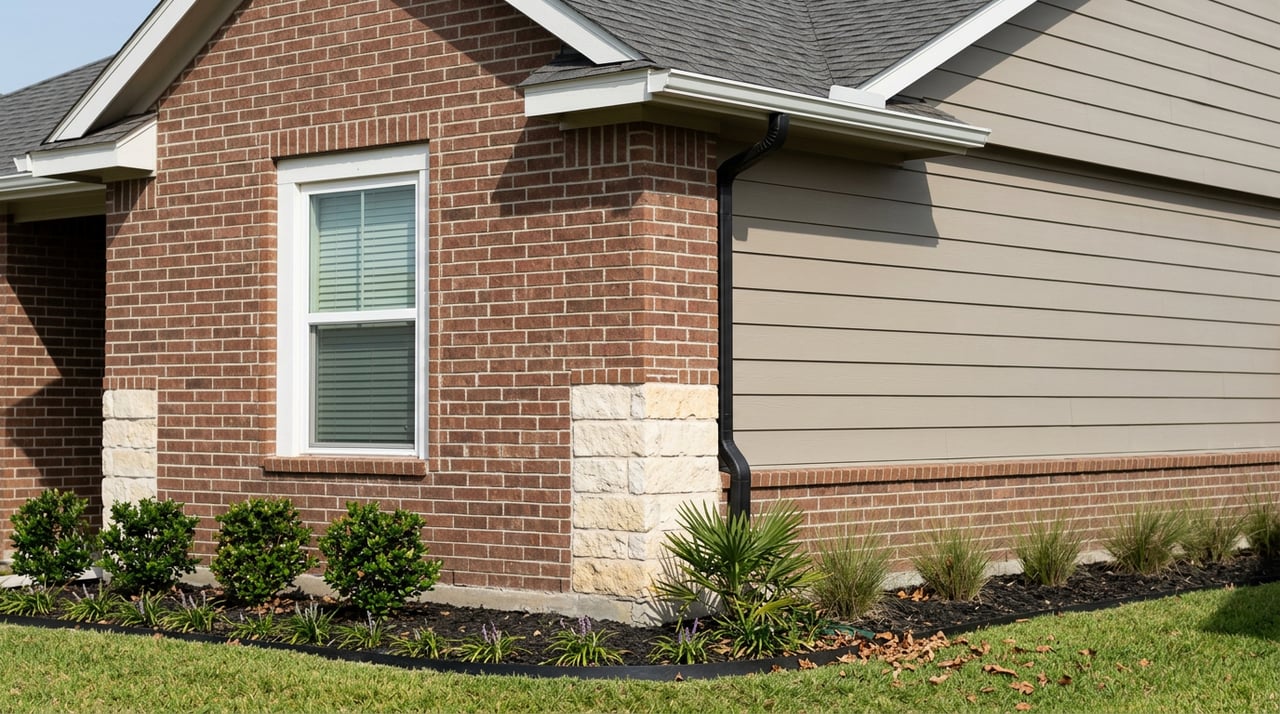
- Roof and gutters: Repair missing shingles and secure flashing. Clean gutters and ensure downspouts drain away from the foundation.
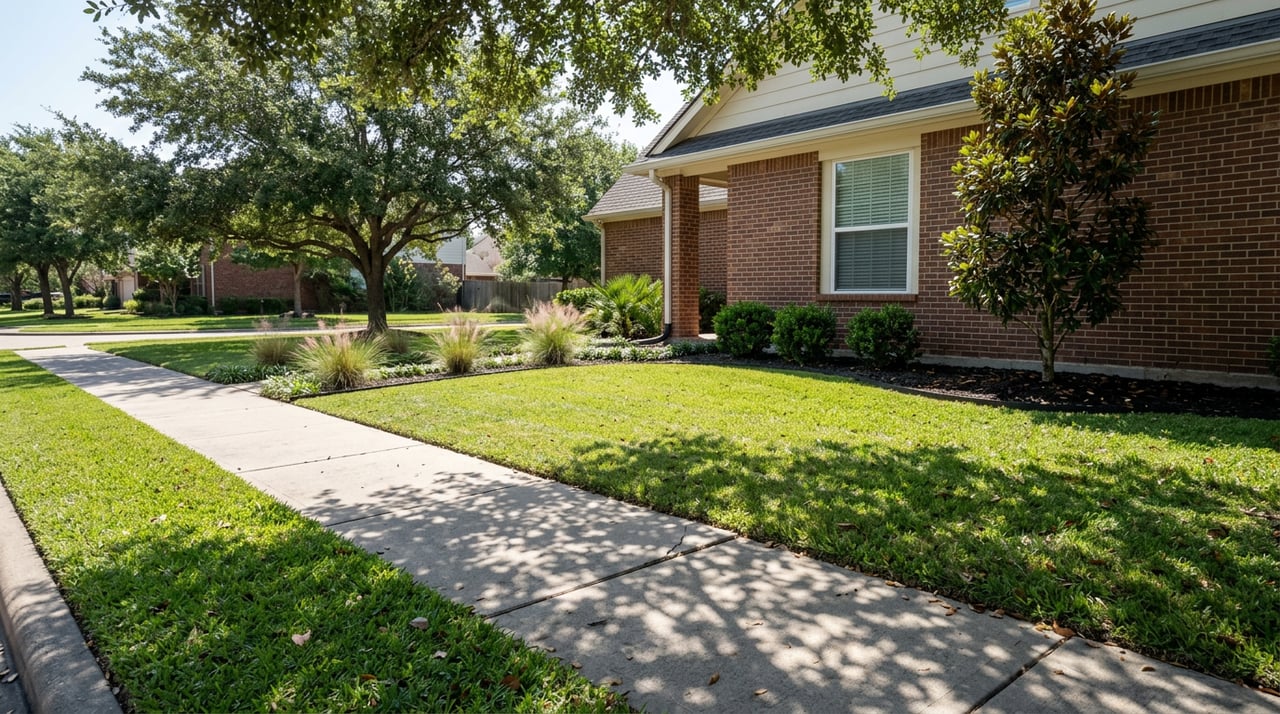
- Drainage and grading: Confirm the yard slopes away from the home. Clear French drains and low spots that collect water.
- Doors and windows: Replace damaged weatherstripping and fix locks and screens. Repair any broken glass or rotted trim.
- Siding and sealant: Patch rot and seal gaps around penetrations to block moisture and pests.
- Storm readiness: Trim trees, remove loose outdoor items, and consider reinforced garage doors or shutters where appropriate.
Interior systems and utilities
A reliable, efficient home reduces work orders and boosts tenant satisfaction.
- HVAC: Schedule annual service before peak heat. Clean coils, check refrigerant and airflow, and calibrate the thermostat. Install fresh filters and note the filter size for your tenant.
- Water heater: Flush sediment, test the pressure relief valve, and inspect for leaks. Note the age for your records.
- Plumbing: Repair slow drains and leaks. Replace deteriorated supply lines and update worn fixtures.
- Electrical: Test GFCIs in kitchens and baths, label breakers, and replace faulty outlets or switches.
- Appliances: Clean and test all appliances you provide. Leave basic operating instructions.
Safety, health, and compliance
These items should never wait.
- Smoke and CO alarms: Test and replace batteries. Install CO alarms if you have gas appliances, an attached garage, or fuel-burning heat.
- Fire extinguisher: Place at least one in or near the kitchen and check the expiration date.
- Lead disclosure: For homes built before 1978, provide the required federal lead-based paint disclosure and any reports to tenants. Review the EPA’s guidance on lead disclosure rules for housing.
- Renovation work: If you disturb painted surfaces in older homes, follow EPA Renovation, Repair and Painting practices.
- Mold prevention: Fix active leaks, vent bathrooms and kitchens outdoors, and consider dehumidification in high-moisture areas.
- Pest control: Complete an initial treatment, seal entry points, and set a routine service schedule.
Access, comfort, and curb appeal
Small touches make a big difference during showings.
- Security and keys: Rekey between tenancies and confirm deadbolts and window locks operate smoothly.
- Lighting: Upgrade to bright, energy-efficient LEDs. Add motion or porch lighting at entries.
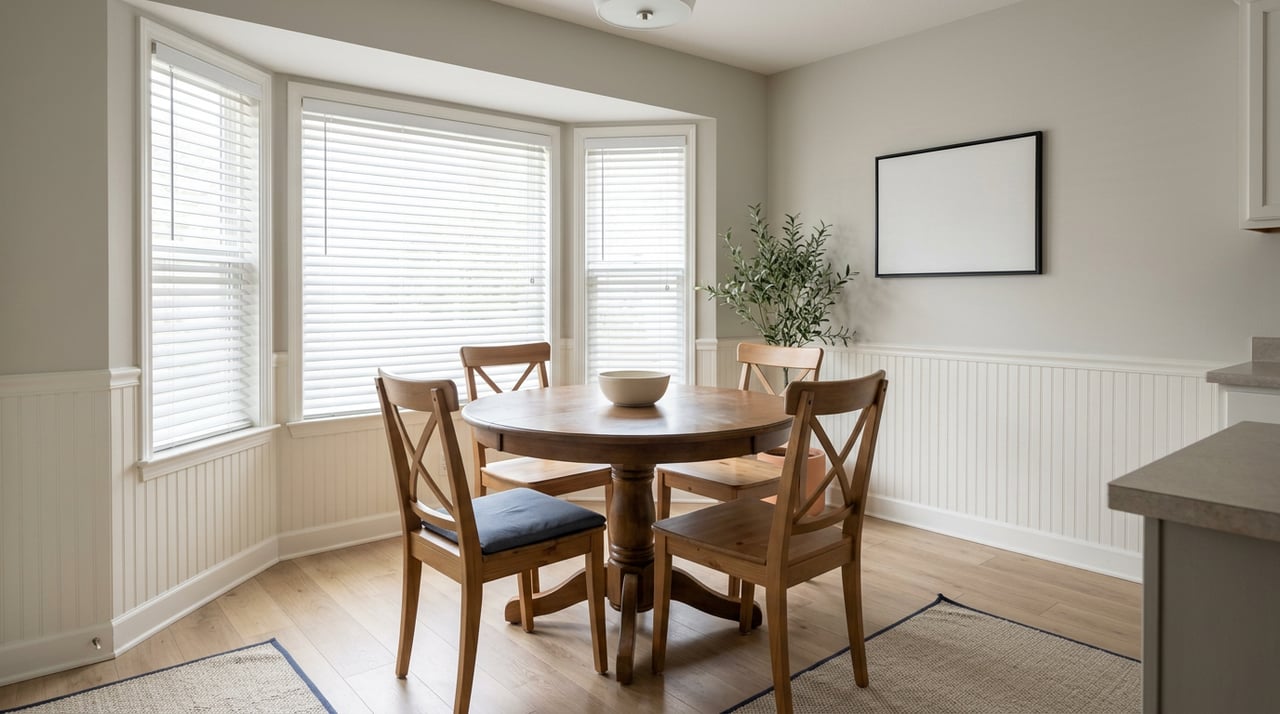
- Flooring and paint: Deep clean carpets or replace if worn. Use neutral paint for broad appeal.
- Attic and crawlspace: Check insulation, ventilation, and signs of moisture or pests. Seal gaps to deter rodents.
Document condition at move-in
Clear documentation helps you avoid disputes later.
- Photos and video: Capture detailed, date-stamped interior and exterior images.
- Move-in checklist: Complete a room-by-room condition form with the tenant’s signature.
- Inventory: List all appliances and any furnishings included with the lease.
Legal, insurance, and HOA checklist
Know what you must disclose and how to structure your paperwork.
- Required disclosures: Provide the lead-based paint disclosure for pre-1978 homes and disclose known material defects, including past flood or damage history, as applicable. Share HOA rules that affect a tenant’s use of the property.
- Fair housing: Advertising, screening, and leasing must comply with the federal Fair Housing Act. Review HUD’s Fair Housing Act overview.
- Deposits and notices: Texas law generally requires returning security deposits, or itemizing deductions, within 30 days after a tenant surrenders possession. Review the Texas Property Code for exact language and exceptions in Chapter 92.
- Eviction process: Evictions require a court process. Follow notice rules and avoid self-help actions.
- Insurance: Standard landlord policies usually exclude flood damage. Consider flood coverage through NFIP or private options, especially in flood-prone suburbs. Confirm any HOA insurance requirements.
- HOA and municipal rules: Some communities require rental registration, minimum lease terms, or tenant approvals. Check your subdivision and city before listing.
Leasing terms to put in writing
Spelling out responsibilities prevents confusion.
- Basics: Lease term, renewal options, rent amount and due date, grace period, and accepted payment methods.
- Deposits and fees: Security deposit amount and conditions for deductions, plus any pet deposits or fees.
- Repairs and maintenance: How to report emergencies vs non-emergencies, response expectations, and tenant duties like basic cleaning and filter changes.
- Pest control: Who schedules service and how to report activity.
- Utilities: Who pays each utility and when to transfer service.
- Pets: Clear pet policy, including any HOA or insurance limits.
- Insurance: Strongly recommend renters insurance for personal property and liability.
Pricing and marketing in Houston suburbs
Price with data and market your strengths.
- Pricing inputs: Use local comps, insights from property managers, and MLS data to set a competitive figure. Adjust for a garage, fenced yard, updated kitchen, and HVAC age.
- Timing: Demand often peaks in late spring and early summer when families move.
- Local highlights: In listings for Pearland, Manvel, Sienna, Shadow Creek Ranch, Cypress, or Missouri City, note commute corridors, nearby parks and retail, and neutral references to schools.
- Listing details: Include lease length, pet policy, utilities, security deposit, move-in date, parking, and any HOA rules that apply.
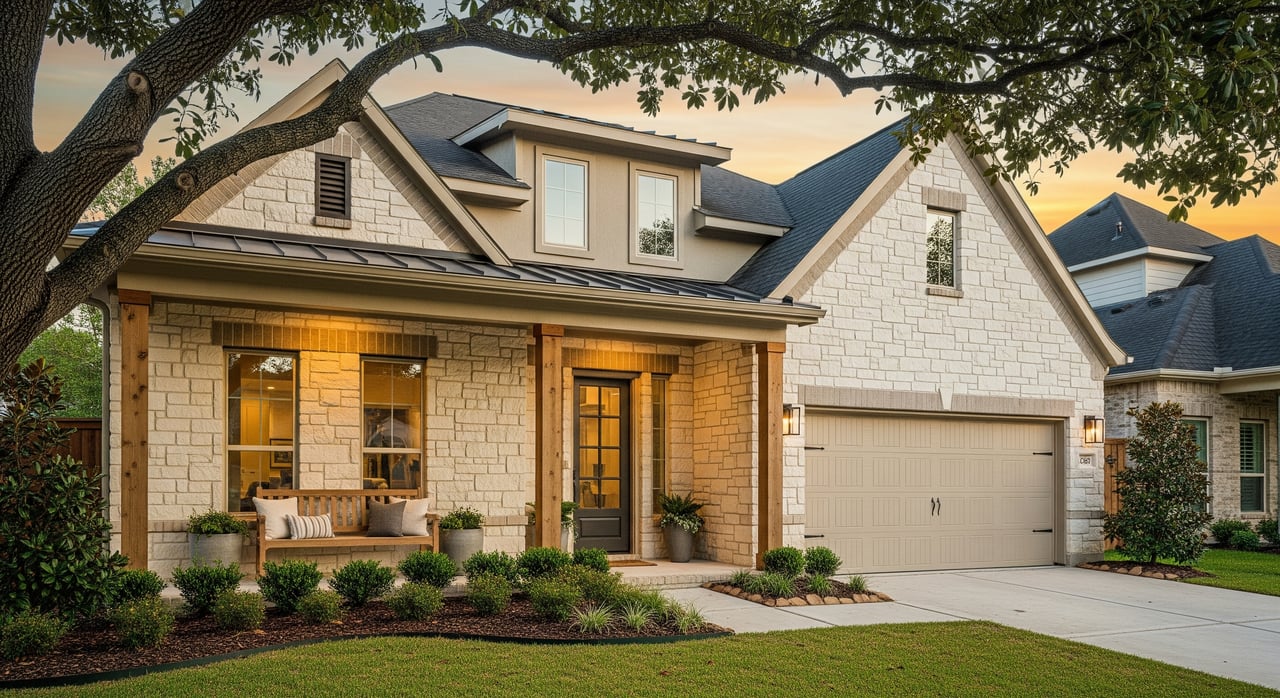
- Photos: Clean, well-lit professional photos of interior, exterior, and yard drive more showings.
Tenant screening and fair housing
Apply the same criteria to every applicant.
- Typical criteria: Credit check, criminal background per local rules, employment and income verification, and past landlord references.
- Income guideline: Many owners look for rent at or below 30 to 40 percent of gross monthly income.
- Consistency: Use uniform written standards and keep records to support fair, equal treatment under HUD rules.
Budgeting for turnover
Plan ahead to protect your returns.
- Safety and code: Detectors, locks, and any compliance fixes.
- HVAC and systems: Service or replacement if needed. A well-performing A/C is essential in Houston.
- Pest control: Start strong and maintain a schedule.
- Cosmetics and cleaning: Paint, flooring repairs, landscaping refresh, deep clean.
- Insurance: Landlord policy plus flood insurance if appropriate.
- Marketing and management: Photos, listing distribution, and any property management fees.
Ready to list? Next steps
Use this simple sequence to move from prep to occupancy.
- Schedule HVAC service, rekey locks, and complete safety checks.
- Address drainage, trim trees, and secure exterior items, especially during hurricane season.
- Finish cosmetic touch-ups and deep cleaning.
- Take professional photos and draft a clear, compliant listing.
- Set written screening criteria and prepare your move-in checklist and lease packet.
- Launch marketing and plan showings once the home is fully rent-ready.
If you want local, hands-on help pricing, preparing, and leasing your suburban rental, connect with Hershel Chenevert for a practical plan and a faster path to a qualified tenant.
FAQs
What repairs must Texas landlords make for rentals?
- Texas statutes require landlords to address conditions that materially affect health and safety when notified; review residential tenancy rules in Texas Property Code Chapter 92.
Do I need flood insurance for a rental in Harris County suburbs?
How soon must I return a security deposit in Texas?
- In most cases, you must return the deposit or provide an itemized deduction list within 30 days after the tenant surrenders possession; see Texas Property Code Chapter 92.
Does a 1970s Houston home require a lead disclosure for leasing?
- Yes; for homes built before 1978, federal law requires a lead-based paint disclosure and sharing of any known reports with tenants; review the EPA’s lead disclosure guidance.
What hurricane prep should I do before listing a rental?
- Trim trees, clear gutters and drains, secure outdoor items, check weatherstripping, and verify drainage flows away from the foundation; stay informed with the Harris County Flood Control District.