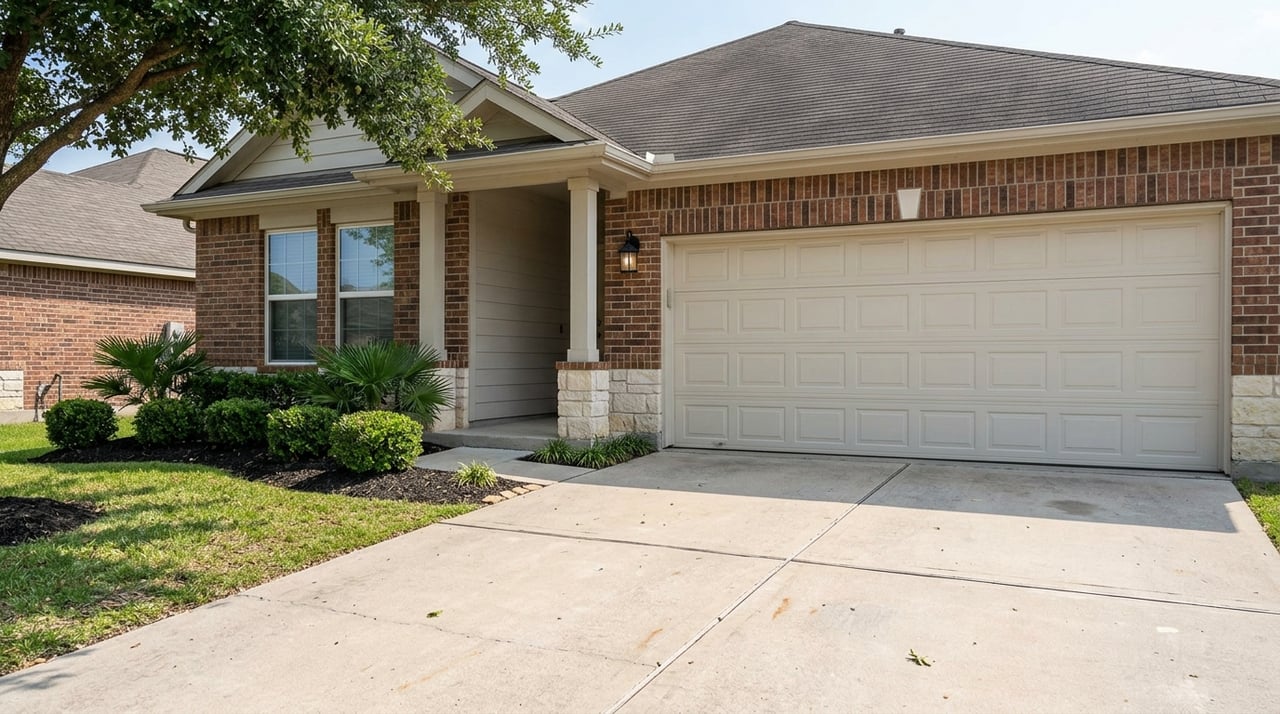
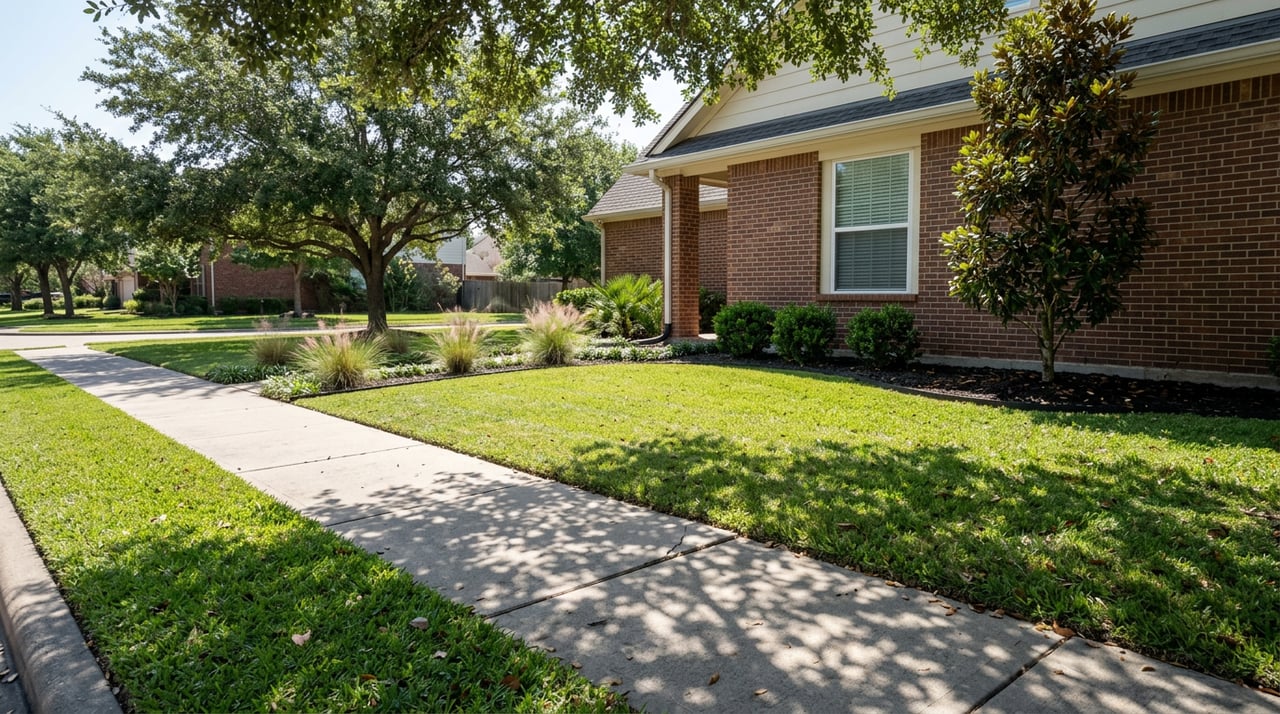
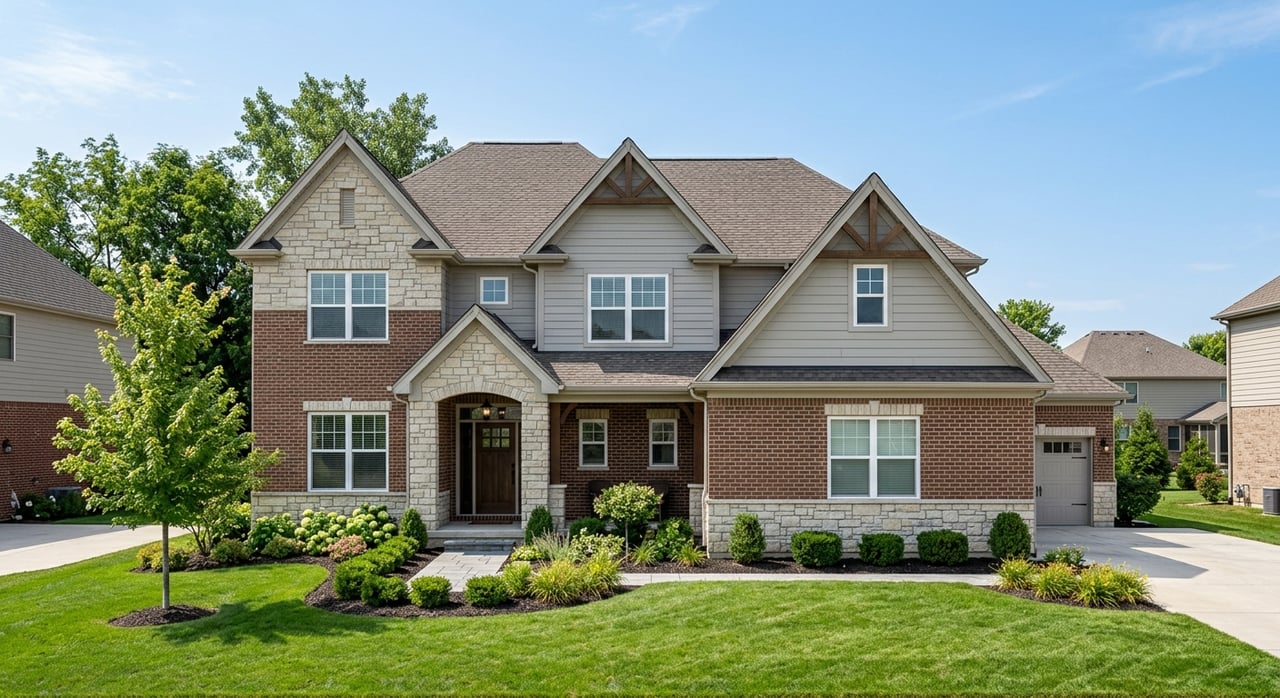
Should you buy a rent-ready home or roll up your sleeves on a value-add rehab? If you are eyeing Houston’s south and southwest suburbs, both paths can work. Your choice comes down to timeline, risk tolerance, and the return you want. In this guide, you’ll compare turnkey and fixer strategies, see how local factors in Pearland, Manvel, Iowa Colony, and Sienna/Missouri City shape outcomes, and get practical checklists to run your numbers with confidence. Let’s dive in.
Houston SFR snapshot: what’s shaping returns
Houston ranks among the top U.S. metros for built-to-rent single-family communities, which means more new rental supply in suburban master-planned areas. That added supply can smooth out rent spikes in certain neighborhoods, but family-oriented demand remains steady across the suburban ring. You will want to focus on micro-location and product fit within each community. You can see the broader build-to-rent trend in the Sunbelt in this overview of the national pipeline and completions from RentCafé/Yardi analysis. Houston’s position in the build-to-rent pipeline helps explain today’s competitive suburban rental landscape.
For returns, lender and investor platforms that track Texas SFRs often show gross yield ranges in the mid to high single digits when deals are properly underwritten. Use these ranges as directional context and build your own, conservative model for each address. See a market snapshot of typical ranges in Houston SFR submarkets in this investor resource on Texas markets. Typical Houston SFR yield bands often fall around the mid single digits.
Suburb at a glance: Pearland, Manvel, Iowa Colony, Sienna
Pearland
Pearland is a mature, high-amenity suburb with strong commuter access to the Texas Medical Center and downtown. A recent Houston Association of Realtors overview described a median price near $370,000 and steady single-family demand, with inventory shifting as new construction comes online. Always verify current comps and active rents before you make an offer. You can read local market context here: HAR’s Pearland overview.
Manvel
Manvel has grown quickly along the southern Pearland corridor, with a heavy new-home mix in master-planned communities such as Meridiana. Recent portal snapshots placed Manvel’s median in roughly the mid $400,000s, which is helpful when comparing turnkey prices to potential fixer opportunities in older pockets. Many rentals here are newer 3 to 4 bedroom homes, so underwriting should account for new-build comps and builder incentives that affect pricing.
Iowa Colony
Iowa Colony has experienced rapid population growth since 2020, tied to the build-out of master-planned communities. That growth supports future rental demand while also introducing many recently built homes into the comp set. For a quick population data point, review U.S. Census QuickFacts for Iowa Colony. Confirm neighborhood-level comps and HOA rules before you finalize rents and expenses.
Sienna/Missouri City
Missouri City’s overall median price has recently sat in the low to mid $400,000s, with Sienna neighborhoods often trading above the city median. Sienna’s amenities and broad price spread make it a prime spot for both turnkey and light value-add strategies. Underwrite carefully by subdivision to avoid mixing higher-priced, amenity-rich comps with older adjacent areas when modeling after-repair value or stabilized rent.
Turnkey vs. fixer: which strategy fits you
Turnkey rentals: buy, place tenant, collect rent
Pros
- Faster cashflow and shorter time from closing to first rent check.
- Easier to underwrite with stabilized rents and property management in place.
- Lower execution risk with no major contractor or permitting steps.
Cons
- Lower immediate upside and tighter entry cap rates due to price competition.
- New build-to-rent supply in some master-planned neighborhoods can modestly pressure rents or slow re-leasing.
Investor fit
- You want predictable cashflow, minimal renovation oversight, and professional property management.
Modeling notes
- Start with a realistic vacancy assumption of about 5 to 8 percent for suburban SFRs in the Houston area.
- Set a monthly maintenance reserve, often in the $75 to $150 range for typical 3 to 4 bedroom homes.
- Compare your assumptions to lender or DSCR program guidelines before you lock terms.
Fixer/value-add: buy under market, renovate, re-lease or hold
Pros
- Potentially higher cash-on-cash and IRR if you buy right and execute rehab on time and budget.
- Ability to force appreciation by upgrading finishes, systems, or livability.
Cons
- Execution risk: hidden defects, permitting delays, contractor scheduling, and material cost changes.
- Time out of service with no rental income during rehab, plus carrying costs.
Investor fit
- You are comfortable managing contractors, building scopes, and holding contingencies, or you have a reliable project team.
Modeling notes
- Add a 10 to 20 percent contingency to your rehab budget and confirm permit timing before closing.
- Use conservative ARV comps based on renovated homes inside the same subdivision.
- Assume a 2 to 8 week re-lease window after completion depending on season and micro-location.
Financing: match the loan to the plan
Turnkey financing
Conventional investor mortgages usually come with higher down payments and reserve requirements than owner-occupied loans. Pricing for investment properties also reflects a cost premium. For cashflow-first buyers or those with multiple properties, DSCR-style loans can be an alternative route, but terms vary by lender. Always confirm documentation that classifies the property as an investment and align your reserves and rate with your timeline. A primer on how loan documents define investment use can help you frame questions for your lender.
Fixer financing
- FHA 203(k) is designed for owner-occupants who will live in the property during renovation. It is not for a long-term, non-occupied rental purchase. Review the program’s occupancy requirement and rules here: HUD 203(k) program.
- Fannie Mae’s HomeStyle Renovation can roll renovation costs into conventional financing for many property types. For an investor purchase, lender overlays and delivery rules apply, so confirm eligibility and draw schedules in writing. Explore the product overview here: Fannie Mae HomeStyle Renovation.
- Hard money or private bridge loans can speed acquisition and rehab when conventional options do not fit, with a plan to refinance into long-term financing after stabilization.
Local rules and risks that change the math
- Eviction process and notice: Texas generally requires a written notice to vacate before filing in Justice Court. Uncontested cases can move quickly, but appeals can extend timelines to several months. Review the current statutes and procedural updates in the Texas Property Code and confirm local Justice Court practices for the county where your property sits.
- Flood risk and insurance: Flood exposure is highly local in Houston’s suburbs. Always check parcel-level flood risk with the Harris County Flood Control District tool and price flood insurance where required. Start here: Harris County Flood Control District mapping tool. For broader insurance context and windstorm considerations in coastal-adjacent areas, see the Texas Department of Insurance overview.
- Property taxes and MUDs: In many newer master-planned communities, Municipal Utility District (MUD) lines can materially increase annual taxes. Pull the parcel’s tax entities and rates through the relevant appraisal district and model the true effective tax rate in your cap rate. For Fort Bend properties, use the FBCAD tax rate resource.
Two quick case paths you can model
Case A: Turnkey in Pearland or Sienna
What this looks like
- Recently built or renovated 3 to 4 bedroom home priced near the area’s current median for that subdivision.
- Minimal make-ready and a property manager ready to market for move-in within 1 to 2 weeks of closing.
Numbers to plug into your sheet
- Purchase price: use active comps and recent closed sales for the specific subdivision.
- Expected market rent: pull 3 to 6 rental comps within one mile and similar school boundary.
- Vacancy: 5 to 8 percent.
- Operating expenses: property taxes by entity, insurance quotes, HOA dues, and a $75 to $150 monthly maintenance reserve.
- Yield targets: mid single-digit gross yield aligns with many stabilized Houston SFRs, but confirm your net cap rate and cash-on-cash after all expenses.
Execution steps
- Order inspections and pest report, confirm roof, foundation, drainage, HVAC, panel, and water heater status.
- Verify HOA covenants for lease terms and any restrictions on durations.
- Onboard your property manager with showing standards, key control, and vendor contacts.
Case B: Light value-add in Manvel or Iowa Colony
What this looks like
- A home purchased below neighborhood renovated comps, with a defined scope such as floors, paint, fixtures, and minor kitchen or bath updates.
- Clear permitting plan and contractor bids, with milestone draws and inspections.
Numbers to plug into your sheet
- Purchase price: below renovated comps in the same subdivision.
- Rehab budget: line-itemed scope with a 10 to 20 percent contingency.
- ARV: based on recent remodeled sales inside the same subdivision.
- Re-lease timing: plan for 2 to 8 weeks from completion to signed lease.
- Yield targets: project your net cap rate and IRR after factoring vacancy during rehab, carrying costs, and refinance terms if applicable.
Execution steps
- Get two to three fixed-price bids from licensed contractors and confirm whether structural, electrical, or plumbing permits are required.
- Build a schedule with payment milestones tied to third-party or lender inspections.
- Decide on your financing path upfront and document your refinance plan post-stabilization.
Your turnkey purchase checklist
Property and physical
- Full inspection covering roof, foundation, drainage, HVAC age and service, electrical panel, water heater, and visible plumbing.
- Pest and termite report.
- Verify utility meter status and unpaid balances.
Market and cashflow
- Pull 3 to 6 rent comps within one mile and similar school zone. Confirm commute access to major job centers like the medical center and Pearland-area employers. For local context on Pearland and Missouri City dynamics, review this HAR overview.
- Use a 5 to 8 percent vacancy assumption and set a monthly maintenance reserve.
Legal and financial
- Run title and lien checks. Confirm CC&Rs and HOA covenants allow your intended lease length.
- Pull the parcel’s tax entities and recent bill, including any MUD or special districts. For Fort Bend addresses, start with FBCAD’s tax rate list.
Insurance and risk
Operational
- Finalize property management onboarding, key control, vendor list, and required disclosures for the lease packet.
Your fixer/value-add checklist
Scope and contractors
- Write a detailed scope of work and obtain 2 to 3 licensed, fixed-price bids.
- Confirm permits and any architectural control approvals required by the master-planned community.
Costs and schedule
- Break out hard and soft costs, contingency of 10 to 20 percent, and a draw schedule with inspections.
- Understand how your lender and appraiser will treat renovation draws and ARV evidence for delivery. A 203(k) summary outlines draw and inspection mechanics in renovation lending contexts. See the federal overview of rehabilitation mortgage insurance structures for process context: 203(k) rehabilitation insurance overview.
Value and exit
- Use renovated comps inside the same subdivision for ARV.
- Set a realistic lease-up period and ensure your property manager is prepared to market upon substantial completion.
Permits, code, and utilities
- Verify whether your scope triggers structural, electrical, or plumbing permits and check code-enforcement history on the parcel.
- If applicable, confirm well or septic requirements and costs with the local health authority.
How to choose in these suburbs
If you want speed to cashflow and minimal project oversight, a turnkey home in Pearland or Sienna can be a fit, especially when your numbers pencil within mid single-digit gross yield bands and your lender terms align with your reserves and timeline. If you have the appetite to manage a defined scope and push rents to a higher tier, a light value-add in Manvel or Iowa Colony can boost returns, provided you budget contingency and account for carrying costs.
In both paths, the details win the deal: micro-location, realistic vacancy, tax load including any MUDs, and insurance costs tied to flood and wind exposure. Underwrite conservatively, confirm HOA lease rules, and lock a financing plan before you write the offer. When you are ready to run comps, tighten assumptions, and tour candidate properties, connect with Hershel Chenevert for neighborhood-specific guidance and an investor-friendly game plan.
FAQs
What returns can you expect on Houston suburban SFRs?
- Investor and lender snapshots often show mid to high single-digit gross yields in Houston SFR submarkets, but your net cap rate depends on real expenses, vacancy, and taxes. Always build a property-specific model and verify comps. You can review typical ranges here: Houston SFR yield bands.
How do MUD taxes affect rentals in Pearland, Manvel, and Sienna?
- MUD assessments can significantly increase annual property taxes, which reduces net cashflow and cap rate. Pull the parcel’s tax entities and rates from the local appraisal district and use the full effective rate in your underwriting. For Fort Bend properties, start with FBCAD tax rates.
What is the Texas eviction timeline for landlords?
- Texas requires a written notice to vacate before filing a forcible detainer case. Uncontested cases can resolve in weeks, but appeals can extend timelines to months. Review current rules and local procedures in the Texas Property Code and your county Justice Court guidance.
Can you use FHA 203(k) to renovate an investment rental you will not occupy?
- No. FHA 203(k) requires owner occupancy. For investor renovations, ask your lender about conventional options such as Fannie Mae’s HomeStyle Renovation and confirm overlays and delivery rules. Learn more about HUD’s 203(k) program and Fannie Mae HomeStyle.
How do build-to-rent communities affect independent landlords in Pearland or Missouri City?
- New build-to-rent homes add supply and can moderate rent growth or slow re-leasing in some master-planned areas. Focus on micro-location, product quality, and accurate rent comps to stay competitive. For context, see the build-to-rent pipeline overview.